Learn how to inspect Ice Connect Marble Slabs for natural variation, resin treatment, thickness tolerance, edge polish, factory checks, and bulk order quality.
A designer chooses Ice Connect Marble for a hotel lobby feature wall. The sample looks stunning: vivid movement, elegant contrast, and a natural luxury expression that no flat printed surface can fully imitate. The buyer confirms the order quickly. Then the slabs arrive. Several pieces show open fissures, uneven resin marks, thickness deviation, weak edges, and mismatched tone. The design direction was right, but the inspection process was too weak. That is when beauty becomes expensive trouble.
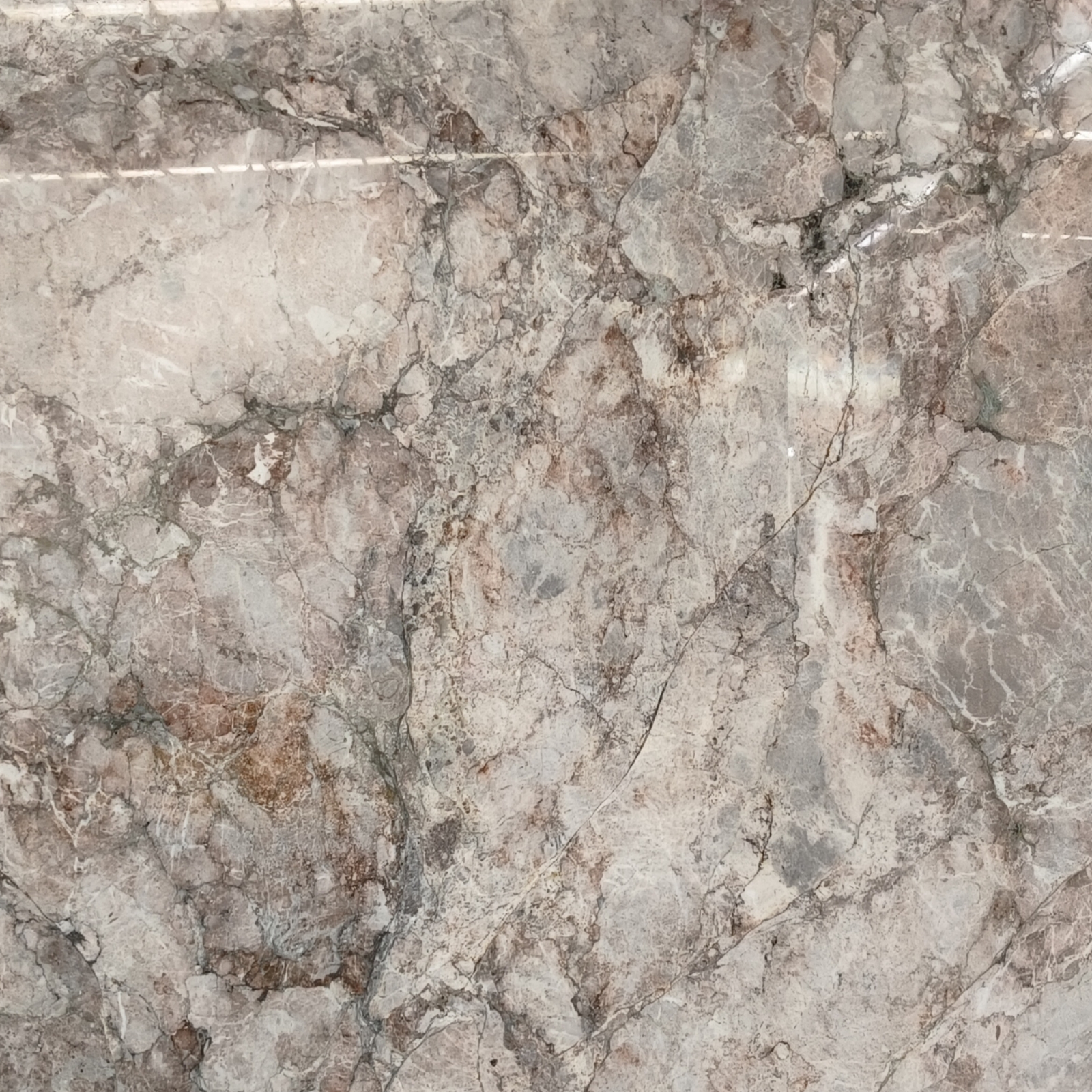
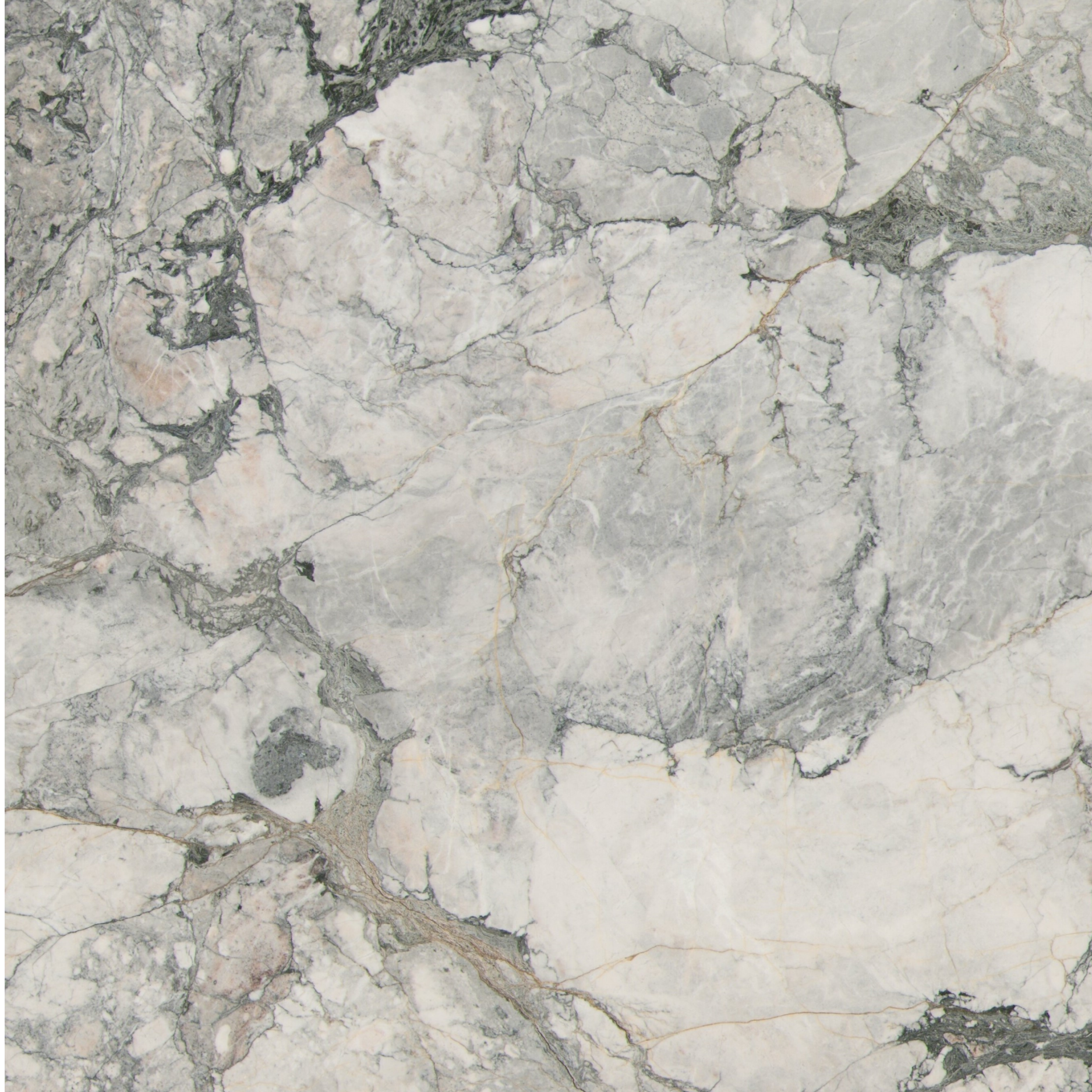
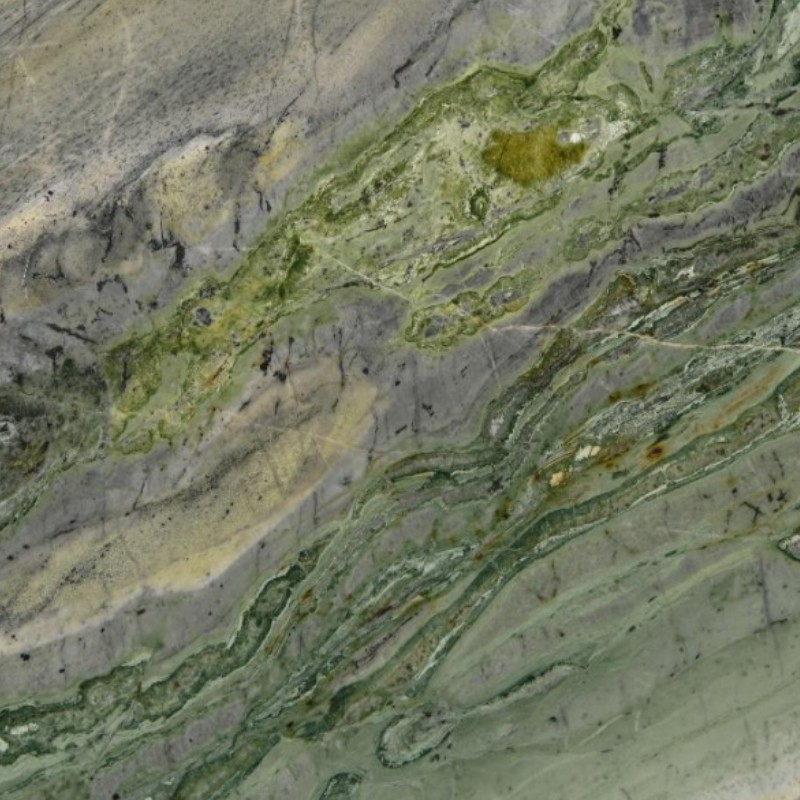
Ice Connect Marble Slabs are valued for dramatic veining, natural depth, and architectural presence, but premium selection requires more than choosing the prettiest photo. Natural marble is not a factory-printed material. Each slab has its own vein structure, color range, crystal movement, and processing behavior. Buyers evaluating Ice Connect Marble White Beauty Ice Jade Marble Slab should inspect both appearance and structural stability before approving bulk production or shipment.

Ice Connect Marble Slabs
What Are Ice Connect Marble Slabs?
Ice Connect Marble Explained for Project Buyers
Ice Connect Marble is a natural marble known for its distinctive vein movement, vivid green-white visual expression, elegant color contrast, and luxury surface character. It is commonly used in hotel lobbies, villa interiors, feature walls, bathroom vanities, floors, elevator surrounds, reception counters, spa spaces, and high-end commercial environments. The material is often selected because it creates strong visual impact without requiring excessive decoration.
As natural marble, Ice Connect Marble differs from slab to slab. Buyers may see changes in color tone, vein density, background cloudiness, mineral lines, crystal structure, and surface movement. These differences are not automatically defects. In many projects, they are exactly what gives the stone its high-end natural character. The challenge is knowing which variations are acceptable and which conditions create structural risk.
Why Ice Connect Marble Is Popular in Luxury Interiors
Ice Connect Marble works well in luxury interiors because it creates a strong architectural statement. It pairs beautifully with warm lighting, brushed metal trims, glass, neutral walls, wood accents, and minimalist furniture. Large-format slabs can create dramatic bookmatched walls, spa feature panels, reception backgrounds, and high-value residential focal points.
For buyers comparing premium natural stone categories, reviewing broader luxury marble slabs can help place Ice Connect Marble within the wider material selection. If the project requires strict uniformity, engineered quartz or porcelain may be easier. If the project needs natural movement, individuality, and statement value, Ice Connect Marble becomes highly attractive.
Understanding Natural Variations vs. Structural Defects
What Counts as Natural Variation?
Natural variation includes color movement, vein direction, background clouds, mineral spots, crystal changes, tone shifts, and non-repeating pattern movement. These features are normal in marble and often increase its design value. Slight tone difference between slabs, varied vein density, natural clouding, fine mineral lines, and subtle color changes under lighting can all be acceptable when the project expectation is clear.
The key is agreement before ordering. Buyers should define the acceptable range early. A small sample cannot represent the full slab range. Full slab photos, videos, and layout images are far more useful for decision-making. If the project uses large visible surfaces, such as lobby walls or spa panels, slab-by-slab approval is not fancy paperwork; it is self-defense.
What Counts as a Structural Defect?
Structural defects affect fabrication safety, installation stability, or long-term performance. These include open cracks, unstable fissures, loose veins, resin-filled holes, severe chips, broken corners, delamination, hollow repairs, poor mesh backing, excessive warping, major thickness deviation, and weak edges. A visible natural vein is not always a defect, but an open crack running along a vein may be a serious risk.
Buyers should inspect both the front and back of each slab. The surface may look beautiful while the back reveals repair zones, mesh issues, or unstable fissures. Side lighting can also expose resin shadows, open hairlines, and polishing inconsistencies that normal factory lighting may hide.
Why Confusing Variation with Defects Causes Disputes
Two types of disputes commonly happen in marble sourcing. Some buyers reject normal natural movement because they expected uniformity. Some suppliers describe real structural defects as “natural features.” Both problems create delays, arguments, and unhappy project teams. The solution is a clear inspection checklist and written acceptance standards before shipment.
| Slab Feature | Natural Variation or Defect? | How to Inspect | Buyer Decision |
|---|---|---|---|
| Color tone difference | Usually natural variation | Compare full slabs under consistent lighting | Accept if within approved range. |
| White or green vein movement | Usually natural variation | Check visual layout and continuity | Use for feature walls or bookmatch design. |
| Open crack | Structural defect | Inspect front, back, and side lighting | Reject or require documented repair. |
| Resin-filled fissure | Depends on severity | Check resin clarity, bonding, and shadow | Accept only if stable and visually controlled. |
| Broken edge or corner | Defect | Check edge line and packing record | Reject for exposed-edge applications. |
The Role of Professional Resin Treatment for Fragile Veins
Why Resin Treatment Is Common in Natural Marble
Natural marble may contain micro-fissures, porous areas, or fragile vein zones. Professional resin treatment can fill small openings, stabilize the surface, strengthen fragile areas, and improve polishing quality. Resin-treated marble is common in the stone industry, especially for visually dramatic materials with expressive vein movement.
Good resin treatment improves usability. Poor resin treatment creates shadows, discoloration, cloudy patches, weak repairs, or visible filled lines. Buyers should not reject all resin-treated slabs. Instead, they should evaluate whether the treatment is professional, transparent, and appropriate for the application.
How to Inspect Resin Treatment Quality
Inspect resin fills under side lighting. Good resin treatment should look smooth, well bonded, and visually controlled. Warning signs include yellowing, cloudy resin, dark shadows, sticky-looking patches, uneven reflection, large repaired zones, and resin lines that do not follow natural stone structure. Buyers should inspect both the polished surface and the back of the slab.
For design-sensitive projects, resin marks can affect the final look. For structural applications such as countertops, stairs, and large panels, the strength of the repaired area matters. For bookmatched walls, resin shadows may interrupt visual continuity. Resin is like makeup for stone: professional work improves presentation; bad work makes everyone stare.
Resin Treatment vs. Structural Repair
Minor natural fissure filling is generally acceptable when done well. Large crack repair, broken slab restoration, or heavy patching should be reviewed more carefully. Buyers should ask for disclosure if visible repair zones exist. A supplier should not hide major structural repairs behind attractive slab photos.
When Reinforcement Is Necessary
Reinforcement may include vacuum resin treatment, surface resin filling, mesh backing, fiberglass backing, epoxy reinforcement, stone adhesive reinforcement, edge reinforcement, dry layout before cutting, and extra support during packing. If the slab has dramatic but stable veins, resin and backing may be enough. If the slab has open cracks, replacement or stronger repair documentation should be requested.
| Treatment Type | Purpose | Good Sign | Warning Sign | Buyer Recommendation |
|---|---|---|---|---|
| Surface resin | Fills small pores and micro-lines | Smooth and clear finish | Yellowing or cloudy patches | Accept if visually stable. |
| Vacuum resin | Improves deeper stability | Even filling and strong bonding | Visible repair blocks | Useful for fragile vein structures. |
| Mesh backing | Supports slab handling | Firm and evenly bonded mesh | Loose, peeling, or uneven mesh | Check before cutting and shipping. |
Slab Thickness Tolerance and Edge Polishing Standards
Why Thickness Tolerance Matters
Marble slab thickness affects installation, strength, fabrication, edge details, weight, and project consistency. Common slab thickness options may include 18mm, 20mm, and 30mm depending on supplier and application. Thickness deviation can cause installation lippage, uneven edges, fabrication problems, and inconsistent countertop profiles.
Buyers should define acceptable tolerance before production. For large projects, random thickness measurement should be part of inspection. A slab labeled 20mm should not behave like a surprise sandwich of 18mm, 19mm, and 21mm across different points.
How to Measure Slab Thickness
Use a calibrated caliper or thickness gauge. Measure multiple points, including corners, center, long edges, and areas near strong veins. Do not measure only one point. Record minimum, maximum, and average thickness, then compare the result with the purchase specification. If the slab has backing or treatment, confirm how thickness readings are interpreted.
| Inspection Point | Why It Matters | Recommended Method | Risk if Ignored |
|---|---|---|---|
| Corners | Shows edge processing consistency | Measure all four corners | Uneven installation or edge mismatch |
| Center | Confirms main slab thickness | Use calibrated thickness gauge | Unexpected weakness or weight mismatch |
| Long edge | Important for counters and wall panels | Measure several points along edge | Visible edge inconsistency |
Edge Polishing Standards for Premium Slabs
Premium Ice Connect Marble may be used for walls, counters, stairs, vanities, and architectural details. Edge polishing must match the required finish. Poor edge polishing creates dull lines, scratches, chips, waviness, or visible tool marks. Countertop and stair edges require more careful polishing than hidden wall panel edges.
Common Edge Defects Buyers Should Watch
Common edge defects include chipped edges, uneven bevels, dull polish, saw marks, micro-cracks near the edge, resin-filled weak areas, unmatched edge color, poor mitred preparation, and corner breakage. If the edge is hidden, minor roughness may be acceptable. If the edge is exposed, the edge polish must meet the project standard.

Ice Connect Marble White Beauty Ice Jade Marble Slab
Why Factory Direct Inspection Is Crucial for Bulk Orders
Small Samples Cannot Represent Bulk Marble Orders
A small sample may show color and polish, but it cannot show slab range, full vein movement, resin quality, backing condition, thickness consistency, or packing risk. Bulk orders need full slab inspection. This is especially important for wholesalers, contractors, hotel developers, and luxury residential projects where replacement delays can damage project schedules.
For global sourcing teams, this sourcing guide to Ice Connect Marble Slabs gives additional context on how buyers should evaluate material selection and project supply before confirming large orders.
What Factory Direct Inspection Should Include
Factory direct inspection should include full slab photos, slab numbering, front and back inspection, thickness measurement, surface finish check, crack and fissure check, resin treatment check, mesh backing check, edge condition, flatness and warping, color range, bookmatch layout, cut-to-size confirmation, packing method, wood crate quality, moisture protection, loading photos, and export document confirmation.
Why Bulk Marble Orders Need Slab Numbering
Slab numbering helps track material during cutting, packing, shipping, and installation. It is essential for bookmatching and dry layout. It also helps buyers identify replacement or claim issues if something goes wrong. Without numbering, a bookmatched project can quickly become a puzzle nobody volunteered to solve.
Factory Inspection vs. Destination Inspection
Factory inspection prevents bad slabs from being shipped. Destination inspection only finds problems after time and freight costs are already spent. Factory inspection allows replacement before packing. Destination inspection may still be useful, but it is not the strongest prevention step.
| Inspection Stage | What It Catches | Advantage | Limitation | Buyer Recommendation |
|---|---|---|---|---|
| Sample approval | Basic tone and finish | Fast early reference | Cannot represent full slabs | Use only as first screening. |
| Factory slab inspection | Actual slab quality and defects | Prevents bad shipment | Requires time and coordination | Essential for bulk orders. |
| Pre-shipment inspection | Packing, quantity, labeling | Reduces freight risk | May not replace slab-by-slab approval | Use before loading. |
Visual Selection: How to Choose Premium Ice Connect Marble Slabs
Color Tone and Background Consistency
Buyers should check base color range and determine whether the project requires warmer, cooler, lighter, or darker slabs. Very different tones should not be mixed in one visible area unless the design intentionally calls for contrast. For large walls and hotel interiors, tone continuity is important because mismatched slabs can break the visual flow.
Vein Movement and Design Direction
Vein movement affects visual drama. Bookmatched walls require continuous vein direction. Flooring may need more balanced vein distribution. Countertops may need vein placement away from cutouts. Reception walls can use strong movement as a focal point. Buyers should request slab layout before cutting.
Designers planning strong decorative combinations may also study material pairings for Ice Connect Marble to align the slabs with metal, wood, glass, lighting, and supporting surfaces.
Surface Finish and Lighting Response
Polished finish highlights depth and luxury. Honed finish reduces glare and creates a softer modern mood. Brushed or textured finishes may support floors or commercial zones. Buyers should inspect slabs under project-like lighting because side lighting can reveal scratches, resin marks, uneven polish, or surface haze.
Matching Slabs for Bookmatched and Large-Format Projects
Bookmatched slabs must be selected as matching pairs. Slab sequence matters. Dry layout helps confirm final appearance. Photos should show the full slab arrangement, not isolated pieces. For hotel lobbies, spas, elevator surrounds, and feature walls, layout approval before cutting is non-negotiable.
Material Parameters Buyers Should Confirm Before Purchase
Thickness, Size, Finish, and Tolerance
Confirm slab dimensions, thickness, tolerance, finish, edge condition, and cut-to-size requirements. Also confirm whether the slabs are intended for walls, floors, counters, stairs, vanities, or decorative panels. Each application has different risk points.
Water Absorption, Stain Resistance, and Sealing
Ice Connect Marble is natural stone and may require sealing. Bathrooms, kitchens, bars, spas, and floors need stain protection. Acidic substances can etch marble. Buyers should ask for maintenance guidance, cleaning rules, and suitable sealant recommendations before installation.
Flexural Strength and Application Suitability
Natural marble performance varies by structure. Large panels, stairs, and countertops require structural consideration. Strong veins or fissures may affect cutting plans. For high-load applications, buyers should ask for material data where available and avoid fragile slabs in high-stress details.
Surface Flatness and Warping
Warping affects installation. Large slabs should be checked for flatness. Wall panels need stable backing and an appropriate installation system. Floor slabs need a level substrate. Warped slabs can create lippage, uneven shadow lines, and installation difficulty.
| Parameter | Why It Matters | Buyer Check | Risk if Ignored |
|---|---|---|---|
| Thickness tolerance | Affects installation and edge consistency | Measure multiple points | Lippage, profile mismatch, fabrication issues |
| Resin treatment | Stabilizes fragile veins | Check clarity, bonding, and shadows | Weak repairs or visible patches |
| Mesh backing | Supports handling and cutting | Inspect back surface | Breakage during processing or transport |
| Packing quality | Protects slabs in shipping | Request crate and loading photos | Damage before installation |
Ice Connect Marble Slabs vs. Other Luxury Marble Options
Ice Connect Marble vs. White Marble
White marble creates clean luxury and brightness. Ice Connect Marble offers stronger movement and a more distinctive visual personality. White marble may be easier to use in calm interiors, while Ice Connect Marble is stronger for statement walls, spa spaces, and dramatic luxury features.
Ice Connect Marble vs. Grey Marble
Grey marble creates calm and modern interiors. Ice Connect Marble may provide more visual uniqueness and stronger natural energy. Grey marble may be easier to match in large areas, while Ice Connect Marble is stronger when the project needs a focal point.
Ice Connect Marble vs. Quartz or Porcelain
Quartz and porcelain offer stronger consistency and easier maintenance. Ice Connect Marble offers natural authenticity and unique slab movement. Engineered surfaces may be better for strict uniformity, while natural marble may be better for spaces where uniqueness and luxury depth matter. For more design-driven application ideas, this guide to Ice Connect Marble in high-end residential spas shows how this material can become a wellness-focused design feature.
| Material | Visual Character | Consistency | Maintenance | Buyer Recommendation |
|---|---|---|---|---|
| Ice Connect Marble | Dramatic natural movement | Medium; slab approval needed | Requires stone care | Choose for luxury statement projects. |
| White marble | Clean and classic | Medium | Requires careful cleaning | Choose for bright luxury interiors. |
| Quartz | Engineered consistency | High | Easier | Choose when uniformity and maintenance lead. |
Common Mistakes When Buying Ice Connect Marble Slabs
Mistake 1: Approving Only Small Samples
Small samples do not show full slab movement, defects, tone range, resin treatment, or backing. Buyers should approve full slab photos, videos, and slab numbering before production.
Mistake 2: Treating Natural Variation as a Defect
Natural variation is part of marble value. Rejecting normal movement creates unrealistic expectations and unnecessary disputes. Define acceptable variation before ordering.
Mistake 3: Accepting Cracks as “Natural Veins”
Some veins are stable; open cracks are not. Inspect suspicious lines from both front and back. Reject unstable cracks or request professional repair documentation.
Mistake 4: Ignoring Thickness Tolerance
Thickness deviation can cause lippage, uneven edges, and fabrication problems. Measure multiple slab points and define tolerance clearly before bulk approval.
Mistake 5: Skipping Factory Inspection for Bulk Orders
Bad slabs discovered after shipping cause delays, freight loss, and claims. Factory direct inspection and pre-shipment photos reduce this risk dramatically.
How to Choose a Reliable Ice Connect Marble Slabs Supplier
What a Professional Supplier Should Provide
A professional Ice Connect Marble Slabs supplier should provide full slab photos, physical samples, slab numbering, resin treatment disclosure, backing information, thickness measurement, finish samples, cut-to-size support, bookmatch layout support, dry layout service, inspection photos, packing photos, export documentation, maintenance guidance, project lead time, and after-sales communication.
Supplier background matters because premium marble is not only a product; it is a controlled process. Buyers can review ICE STONE company profile when evaluating supplier experience, natural stone specialization, and project service capability.
Manufacturer vs. Supplier vs. Wholesale Buyer Logic
If you need premium project slabs, choose a supplier with slab selection and inspection capability. If you need bookmatched walls, choose a factory with dry layout and slab numbering support. If you need container-level supply, compare Ice Connect Marble Slabs wholesale options but verify slab range and packing. If you need countertops, confirm thickness, edge polish, and cutout planning. If you need hotel projects, prioritize consistency, documentation, and pre-shipment inspection.
For project discussion, buyers can contact ICE STONE with project application, slab size, finish preference, bookmatch needs, quantity, inspection standards, and packing requirements. Clear project information helps the supplier recommend suitable slabs and prepare quality documentation before shipment.
Recommended Buyer Checklist Before Ordering
| Checklist Item | Why It Matters | Buyer Action |
|---|---|---|
| Project application | Determines finish, thickness, and inspection priority | Confirm wall, floor, counter, spa, or bookmatched use. |
| Full slab approval | Prevents sample-based misunderstanding | Request photos, videos, and slab numbering. |
| Resin and backing | Affects structural stability | Inspect front, back, and side lighting. |
| Packing method | Protects slabs during freight | Request crate, loading, and moisture protection photos. |
 Ice Connect Marble supplier |
 Ice Connect Marble for Wall |
FAQ: Ice Connect Marble Slabs Inspection and Selection
1. How do you inspect Ice Connect Marble Slabs before buying?
Inspect Ice Connect Marble Slabs by reviewing full slab photos and videos, checking both front and back surfaces, looking for cracks, resin marks, weak veins, thickness deviation, edge chips, polishing defects, color range, backing condition, and packing quality. Small samples are not enough for bulk orders because they cannot show full vein movement or structural risk.
2. What is the difference between natural variation and marble defects?
Natural variation includes tone changes, vein movement, mineral lines, background clouding, and non-repeating patterns. Marble defects include open cracks, unstable fissures, broken edges, poor resin repair, severe warping, delamination, hollow repairs, and structural weakness. Buyers should define acceptable natural variation and reject conditions that affect fabrication or installation safety.
3. Are resin-treated Ice Connect Marble Slabs acceptable?
Yes, professional resin treatment is common for natural marble and can improve surface stability, strengthen fragile veins, fill micro-fissures, and support better polishing quality. However, buyers should inspect resin clarity, bonding, color match, reflection, and whether the treatment hides larger structural repairs. Good resin treatment improves usability; poor resin treatment creates risk.
4. What slab thickness is best for Ice Connect Marble?
The best thickness for Ice Connect Marble depends on the application. Wall panels, flooring, countertops, stairs, vanities, and large-format slabs may require different thickness levels. Common marble slab options may include 18mm, 20mm, and 30mm depending on supplier and project needs. Buyers should confirm thickness tolerance, support system, edge profile, and installation method before ordering.
5. Why is factory direct inspection important for marble bulk orders?
Factory direct inspection helps buyers approve actual slabs, detect defects before shipping, verify thickness and finish, check resin treatment, confirm slab numbering, review packing quality, and reduce the risk of receiving unsuitable material after freight costs are already paid. It is especially important for wholesalers, contractors, hotel projects, and bookmatched installations.
References
1. Dimension Stone Design Manual — Natural Stone Institute — Commercial Stone Design Guidance.
2. Stone in Architecture: Properties, Durability — Siegfried Siegesmund and Rolf Snethlage — Springer.
3. Standard Test Methods for Absorption and Bulk Specific Gravity of Dimension Stone — ASTM International — ASTM C97.
4. Standard Test Method for Flexural Strength of Dimension Stone — ASTM International — ASTM C880.
5. Standard Test Method for Abrasion Resistance of Stone Subjected to Foot Traffic — ASTM International — ASTM C241/C1353 Reference Standards.
6. Natural Stone Slab Inspection and Quality Control Guidance — Natural Stone Institute — Stone Industry Technical Reference.
7. Interior Design Materials and Specifications — Lisa Godsey — Fairchild Books.
8. Time-Saver Standards for Interior Design and Space Planning — Joseph DeChiara, Julius Panero, Martin Zelnik — McGraw-Hill.
How Buyers Should Select Premium Ice Connect Marble Slabs
How should buyers understand Ice Connect Marble Slabs?
Ice Connect Marble Slabs are premium natural marble surfaces valued for dramatic vein movement, luxury color contrast, and architectural presence. Because they are natural stone, buyers should expect variation, but they must still inspect structure, resin treatment, thickness tolerance, backing, edge quality, and packing before bulk approval.
Why does inspection matter before ordering?
Inspection matters because small samples cannot represent full slab quality. A sample may show color and polish, but it cannot reveal full vein movement, open cracks, resin shadows, thickness deviation, backing condition, or shipping risk. Factory direct inspection helps prevent unsuitable slabs from reaching the project site.
What option should different projects choose?
If the project needs dramatic feature walls, hotel lobbies, luxury spas, or bookmatched panels, choose slabs with strong visual movement, stable veins, and approved dry layout. If the project needs flooring or stairs, confirm thickness, finish, slip resistance, flatness, and structural stability. If the project needs countertops or vanities, avoid weak veins near cutouts and inspect edge polish carefully.
What should buyers consider before shipment?
Buyers should confirm project application, required slab size, thickness requirement, finish requirement, slab photos, slab videos, color range, vein density, acceptable variation, crack inspection, front and back inspection, resin treatment, mesh backing, thickness tolerance, flatness, edge condition, bookmatch requirement, dry layout, cut-to-size drawings, packing method, crate strength, loading photos, maintenance guidance, and supplier experience.
What is the practical recommendation?
Do not approve Ice Connect Marble Slabs only by small samples or attractive product photos. Approve actual slabs, inspect the back side, measure thickness, review resin treatment, confirm slab numbering, and check packing before shipment. The best supplier does not only sell beautiful marble; it helps buyers control quality risk from selection to delivery.
 By
Xiamen Ice Stone Imp.& Exp. Co., Ltd.
By
Xiamen Ice Stone Imp.& Exp. Co., Ltd. Feature Product
-
 Sakura Marble: A Timeless Beauty and Elegant fo...
Why Choose Cambodian Sakura Marble? 1. Unmat...
-
Morse Code Natural Marble Slabs and Tiles
Dimensions and Specifications Morse Code...
-
Vivid Brilliant Natural Marble of Prague Green
How to pack and load ? 1. Fumigated wooden b...