Key Highlights: Flawless Marble Preservation
The Timeless Value of Professional Marble Preservation
Natural marble has remained the pinnacle of architectural luxury for millennia, favored for its unique veining and high compressive strength. However, the very characteristics that make it beautiful—its organic origin and crystalline structure—also make it susceptible to environmental stressors. For B2B buyers sourcing from a marble manufacturer, understanding the lifecycle of the stone is critical to maintaining the asset’s ROI. Whether it is a hotel lobby or a bespoke residential kitchen, the transition from “installation” to “preservation” requires a scientific approach that goes beyond simple cleaning.
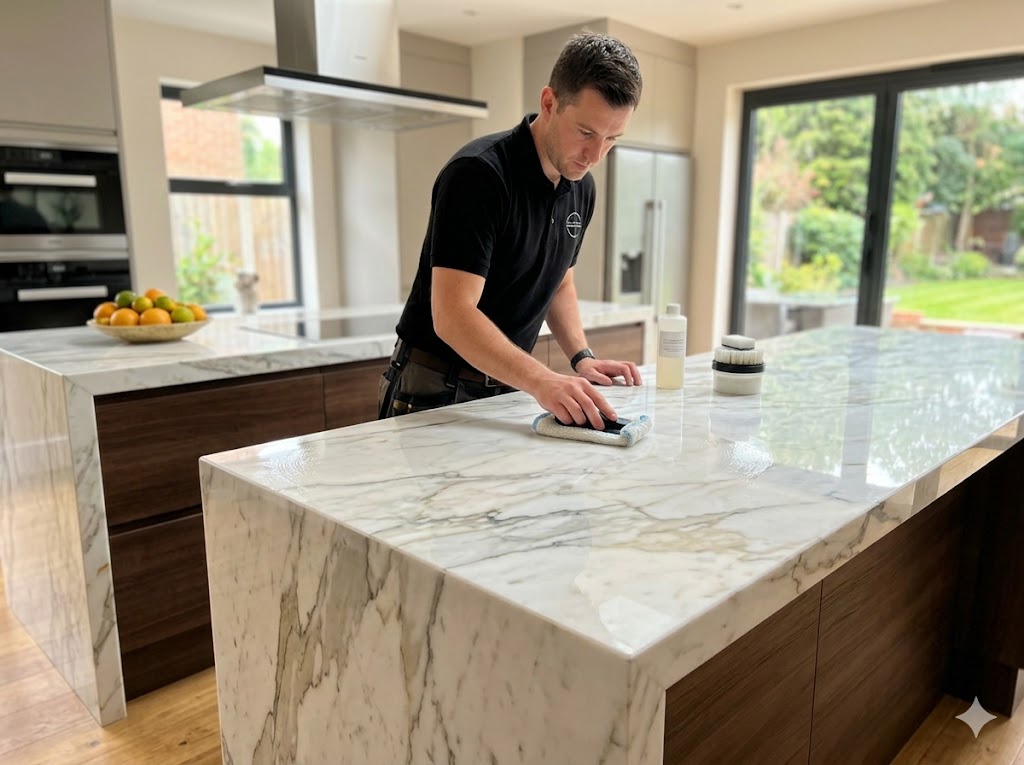
Professional maintenance of marble surfaces
Understanding Marble Porosity and Staining Risks
At a microscopic level, marble is composed of recrystallized carbonate minerals, primarily calcite or dolomite. This composition results in a porous matrix where tiny interconnected voids, known as capillaries, allow liquids to penetrate beneath the surface. The rate of this penetration is measured by the “Water Absorption by Weight” percentage, a key metric for any marble factory performing quality control.
When acidic substances like citrus juices, wine, or industrial cleaners come into contact with the stone, they trigger a chemical reaction called “etching.” This is not a stain but a physical dissolution of the calcium carbonate, resulting in a dull, whitish mark. Distinguishing between deep-seated preventing marble staining and surface etching is the first step in professional stone triage. High-density varieties often provide better natural resistance, yet no natural stone is entirely impervious without secondary treatment.
The Application of Nano-Grade Penetrating Sealers
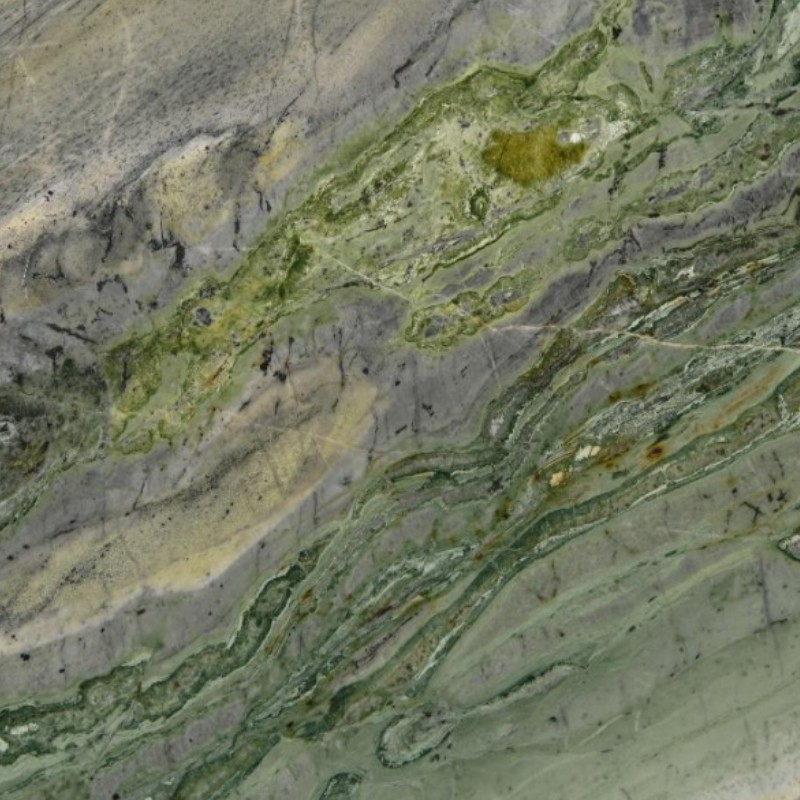
The evolution of stone care has moved from topical coatings (which can peel and yellow) to nano-grade penetrating sealers. These advanced solutions utilize fluorocarbon aliphatic resins that travel deep into the stone’s pores. Unlike traditional sealers, they do not form a film on top; instead, they coat the interior of the pores to create an oleophobic and hydrophobic barrier. This is especially vital when dealing with rare materials like Dreaming Green Marble, where the vibrant pigmentation must be protected from oxidation and mineral leaching.
For professional applications, the moisture content of the slab must be verified (ideally below 5%) before the sealer is applied. A “Saturation Method” is employed, where the sealer is applied liberally and allowed to dwell, ensuring the stone “drinks” as much as it can hold. This process is a standard recommendation for wholesale marble suppliers to ensure the end-user receives a durable product.
Table 1: Technical Comparison of Protective Barriers
| Sealer Type | Molecular Size | UV Resistance | Breathability | Lifespan |
| Topical Wax | Large (Film) | Low | None | 3-6 Months |
| Solvent-Based Impregnator | Medium | Medium | Partial | 1-2 Years |
| Nano-Grade Penetrating | < 100nm | High | 100% | 5-10 Years |
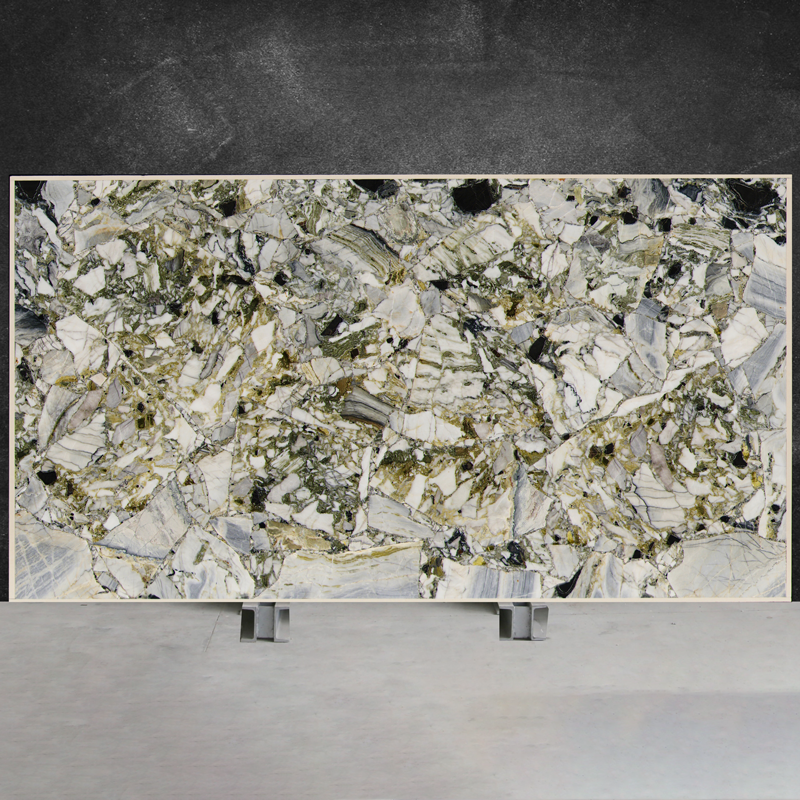
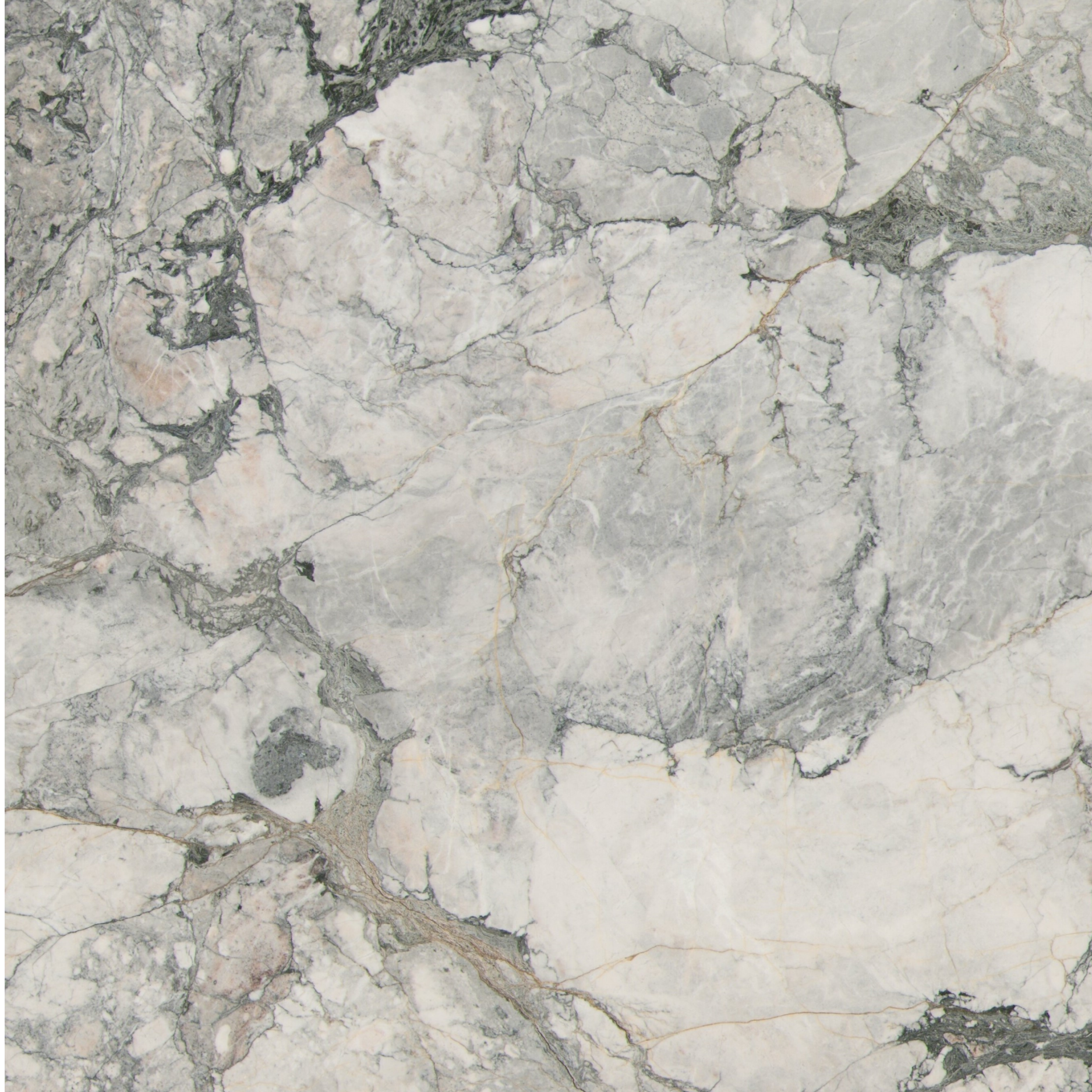
Ice-Connect-Marble-White-Beauty
Daily Cleaning Dos and Don’ts
Routine maintenance is where most irreversible damage occurs. The “Golden Rule” of marble care is maintaining a pH-neutral environment. Most household “all-purpose” cleaners are either too acidic or too alkaline, both of which degrade the stone’s natural luster and the integrity of the sealer. Professional marble surface maintenance requires the use of specialized surfactants designed to lift lipids without leaving a residue.
One common misconception is the use of vinegar or lemon-based “natural” cleaners. For White Beauty Marble, such acids will instantly etch the polished surface, requiring professional regrinding to repair. Instead, experts suggest a microfiber system with a GSM (grams per square meter) of 300 or higher to ensure that dust particles are trapped rather than dragged across the surface, which could cause micro-abrasions.
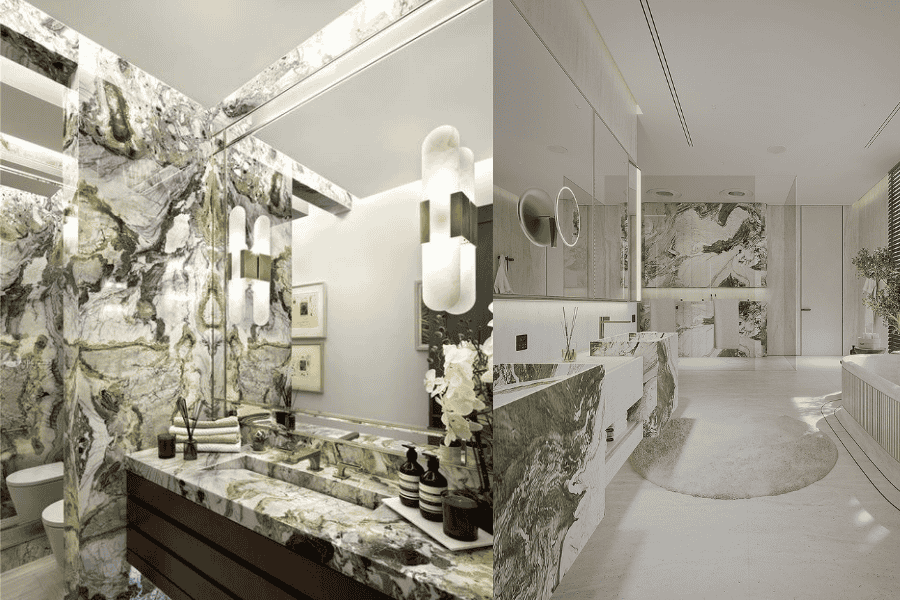
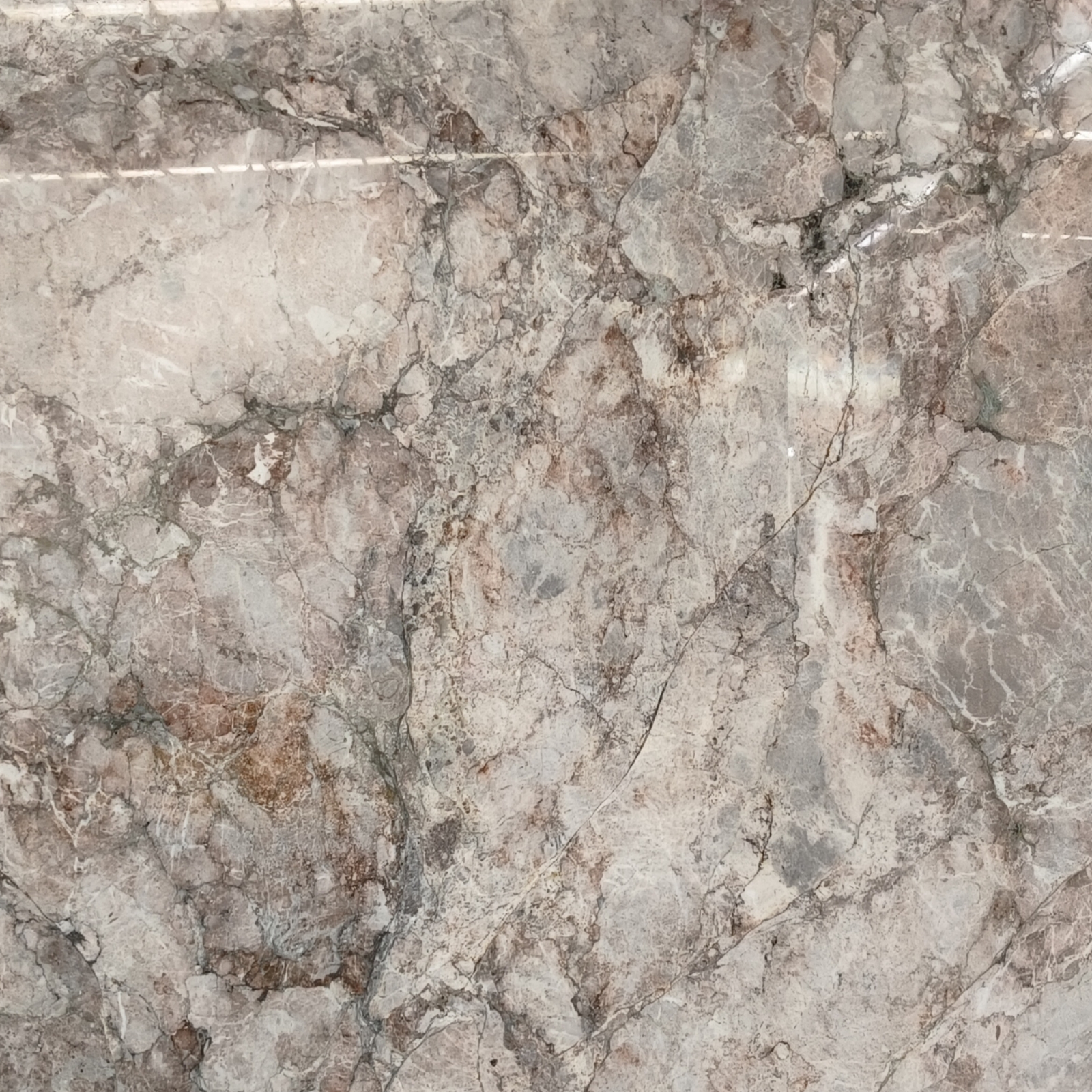
Ice Connect Marble supplier
Eliminating Client Concerns About Discoloration
Yellowing and browning of white marble are significant concerns for designers and developers. This discoloration is often caused by the oxidation of iron minerals naturally present within the stone, or by “efflorescence”—the migration of soluble salts to the surface via moisture. By utilizing the Ice Connect Marble standard, which emphasizes strict moisture barriers and high-purity selection, these risks are significantly mitigated.
If staining does occur, a “poultice” technique is used. This involves mixing a chemical reagent with an absorbent white powder (like kaolin or diatomaceous earth) to create a paste. The paste is applied to the stain, covered with plastic, and left for 24-48 hours. As the paste dries, it “draws” the contaminant out of the stone’s capillaries. This is a crucial skill for anyone managing luxury marble installations, ensuring that even accidental spills do not lead to permanent damage.
Strategic Decision Logic for B2B Buyers
When selecting marble for large-scale projects, the decision logic should prioritize the stone’s “Coefficient of Friction” (for flooring) and “Abrasion Resistance” (for high-traffic areas). Buyers should look for suppliers who provide comprehensive ASTM data sheets. A common pitfall is choosing a stone solely on aesthetics without considering its chemical compatibility with the intended environment. For instance, a high-calcium marble should be avoided in industrial kitchens unless a high-frequency maintenance contract is in place.
Industry Trends and Global Compliance
The global stone industry is shifting toward “Green Building” certifications. Modern sealers must now comply with low-VOC (Volatile Organic Compound) regulations to ensure indoor air quality. Furthermore, the EPD (Environmental Product Declaration) of a marble manufacturer is becoming a standard requirement in European and North American markets. Investing in sustainably sourced, high-durability marble not only serves the aesthetic needs of today but also ensures the longevity and ethical standing of the project for decades to come.
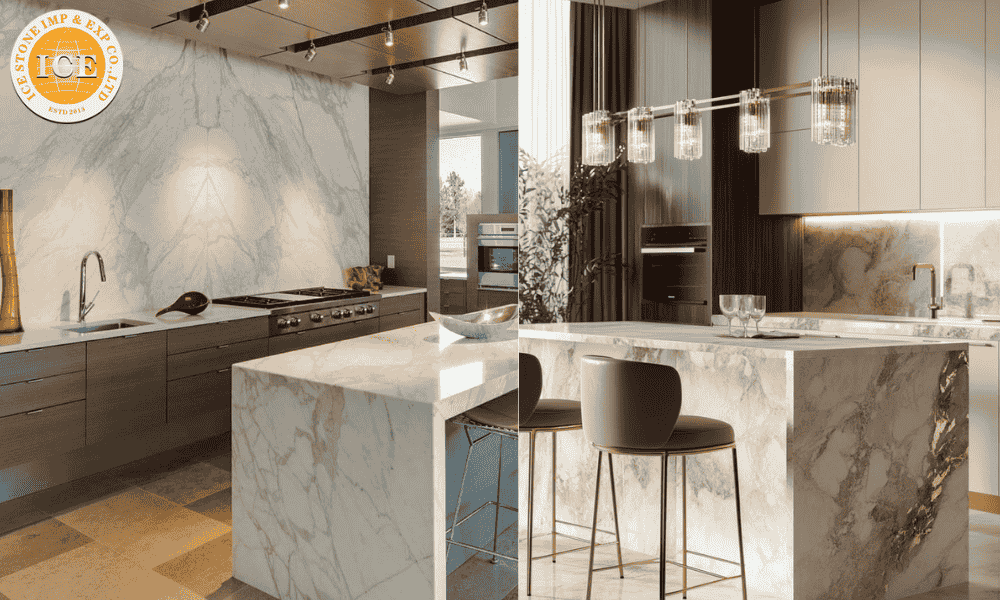
Marble Slabs Kitchen Countertops
FAQ
1. How often should I seal my marble surfaces to prevent deep staining?
For high-traffic areas such as kitchen countertops or commercial flooring, we recommend professional natural stone sealer application every 6 to 12 months. In lower-use residential settings, a high-quality nano-grade sealer can last up to 3–5 years. You can perform a “Water Bead Test” by placing a few drops of water on the surface; if the water is absorbed within 30 seconds rather than beading up, the protective barrier has weakened and requires immediate re-sealing by a marble manufacturer grade solution.
2. Can I remove etching marks from white marble without professional equipment?
Light surface etching—dull spots caused by acidic contact—can sometimes be mitigated using a specialized marble polishing powder and a microfiber cloth. However, if the etching has compromised the stone’s texture or if there are deep scratches, professional diamond abrasive pads are required. To avoid this, always source your stone from a reputable marble factory that provides pre-sealed slabs, and strictly avoid cleaners containing vinegar, lemon, or bleach.
3. Why is my marble turning yellow, and can it be reversed?
Yellowing in marble typically stems from two sources: internal iron oxidation or improper maintenance. When iron minerals inside the stone are exposed to moisture, they “rust,” causing a yellow or ginger hue. Alternatively, using wax-based cleaners can create a buildup that yellows over time. While superficial yellowing can be treated with a professional alkaline-based poultice, internal oxidation requires advanced chemical treatment to stabilize the mineral matrix within the wholesale marble slabs.
4. Is it safe to use steam cleaners on luxury marble flooring?
While steam cleaning is effective for many surfaces, it is generally discouraged for high-end marble. The intense heat and pressure can force moisture deep into the stone’s pores, potentially causing “spalling” or micro-cracking. Furthermore, repeated steam exposure can degrade the resins and nano-grade penetrating sealers used to protect the stone. A pH-neutral damp mop system remains the industry standard for daily maintenance.
5. What are the best marble varieties for low-maintenance commercial projects?
For B2B buyers and architects, we suggest varieties with higher density and lower absorption rates, such as Ice Connect Marble or specific Calacatta grades. These stones have a tighter crystalline structure, making them naturally more resistant to fluid penetration. Consulting with a marble supplier about the ASTM C97 absorption data of each batch will help you select a material that balances aesthetic luxury with long-term maintenance efficiency.
References
-
Marble Institute of America (MIA) – Technical Design Manual: The Official Guide to Natural Stone Care, 2024 Edition.
-
ASTM International – Standard C97/C97M: Test Methods for Absorption and Bulk Specific Gravity of Dimension Stone, 2025 Revised Standards.
-
Natural Stone Institute (NSI) – Commercial Maintenance Guidelines for Natural Stone Surfaces, published by the Stone Authority.
-
Journal of Building Engineering – Analysis of Capillary Porosity in Calcite-based Metamorphic Rocks, Dr. Elena Rossi, University of Milan.
-
Architectural Digest Pro – Preserving Luxury: The Evolution of Nano-Resin Technology in Stone Architecture, 2026 Material Science Report.
-
United States Green Building Council (USGBC) – VOC Standards and LEED Credits for Stone Sealers and Adhesives, LEED v4.2 Guidelines.
-
International Journal of Architectural Heritage – Chemical Stabilization of Natural Marble in High-Moisture Environments, Stone Research Group.
-
BSI Standards Publication – BS 8298-2: Code of practice for the design and installation of natural stone cladding, British Standards Institution.
Expert Insights: The Future of Marble Longevity & Strategic Care
The longevity of marble installations is determined by the synergy between stone mineralogy and chemical protection. High-density varieties sourced from a reputable marble manufacturer exhibit lower water absorption rates (typically <0.2%), which is the primary defense against marble staining. Implementing a nano-grade penetrating sealer is no longer optional but a mechanical necessity; these sub-100nm molecules create a permanent oleophobic barrier within the stone’s capillaries without compromising its natural vapor permeability.
Why Surface pH Balance Matters
Regular use of acidic cleaners (pH <7) triggers an irreversible chemical dissolution of calcium carbonate, known as etching. Professional maintenance requires pH-neutral surfactants to preserve the factory-polished finish of luxury marble.
Emerging Market Trends 2026
The industry is shifting toward VOC-compliant, water-based fluorocarbon sealers. Sustainability certifications (LEED/EPD) are now a core requirement for wholesale marble slabs in international architectural tenders.
Key Considerations for Professional Procurement:
- Material Selection: Prioritize stones with high abrasion resistance (ASTM C241) for high-traffic commercial flooring.
- Risk Mitigation: Ensure all marble factory pre-treatments are compatible with secondary on-site nano-sealers to avoid bond failure.
- Maintenance ROI: A proactive “Seal & Inspect” schedule every 12 months reduces the lifetime restoration costs of natural stone by up to 60%.
As a leading marble manufacturer, we recommend integrating these technical standards into your project’s Master Specifications to guarantee architectural flawless performance.
 By
Xiamen Ice Stone Imp.& Exp. Co., Ltd.
By
Xiamen Ice Stone Imp.& Exp. Co., Ltd. Feature Product
-
 Sakura Marble: A Timeless Beauty and Elegant fo...
Why Choose Cambodian Sakura Marble? 1. Unmat...
-
Morse Code Natural Marble Slabs and Tiles
Dimensions and Specifications Morse Code...
-
Vivid Brilliant Natural Marble of Prague Green
How to pack and load ? 1. Fumigated wooden b...