Quick Summary:
Marble Flooring is a natural stone solution for residential interiors, hotels, and commercial projects, offering distinctive colors, veining, and surface finishes. Choosing the right natural marble flooring and marble floor tiles requires evaluating stone composition, dimensions, thickness, slip resistance, installation conditions, and maintenance requirements. This guide explains marble flooring types, benefits, installation methods, cleaning practices, technical standards, and supplier selection considerations to help buyers make informed project decisions.
Marble flooring is a popular natural stone choice for residential interiors, luxury hotels, commercial buildings, and architectural projects. Its distinctive mineral patterns, natural color variations, and range of surface finishes allow designers to create spaces that balance visual elegance with practical functionality. However, selecting the right natural marble flooring involves more than choosing an attractive color. Buyers and project professionals must also evaluate stone composition, physical properties, tile dimensions, surface finishes, installation conditions, maintenance requirements, and long-term performance.
This guide explains the main types of marble flooring, compares marble with other flooring materials, and provides practical advice on installation, cleaning, sealing, and project procurement. It also examines technical testing, commercial applications, and how to evaluate a reliable marble flooring manufacturer or supplier. Whether you are planning a private residence, hotel lobby, apartment development, or large commercial project, understanding these factors can help you make a more informed material decision.

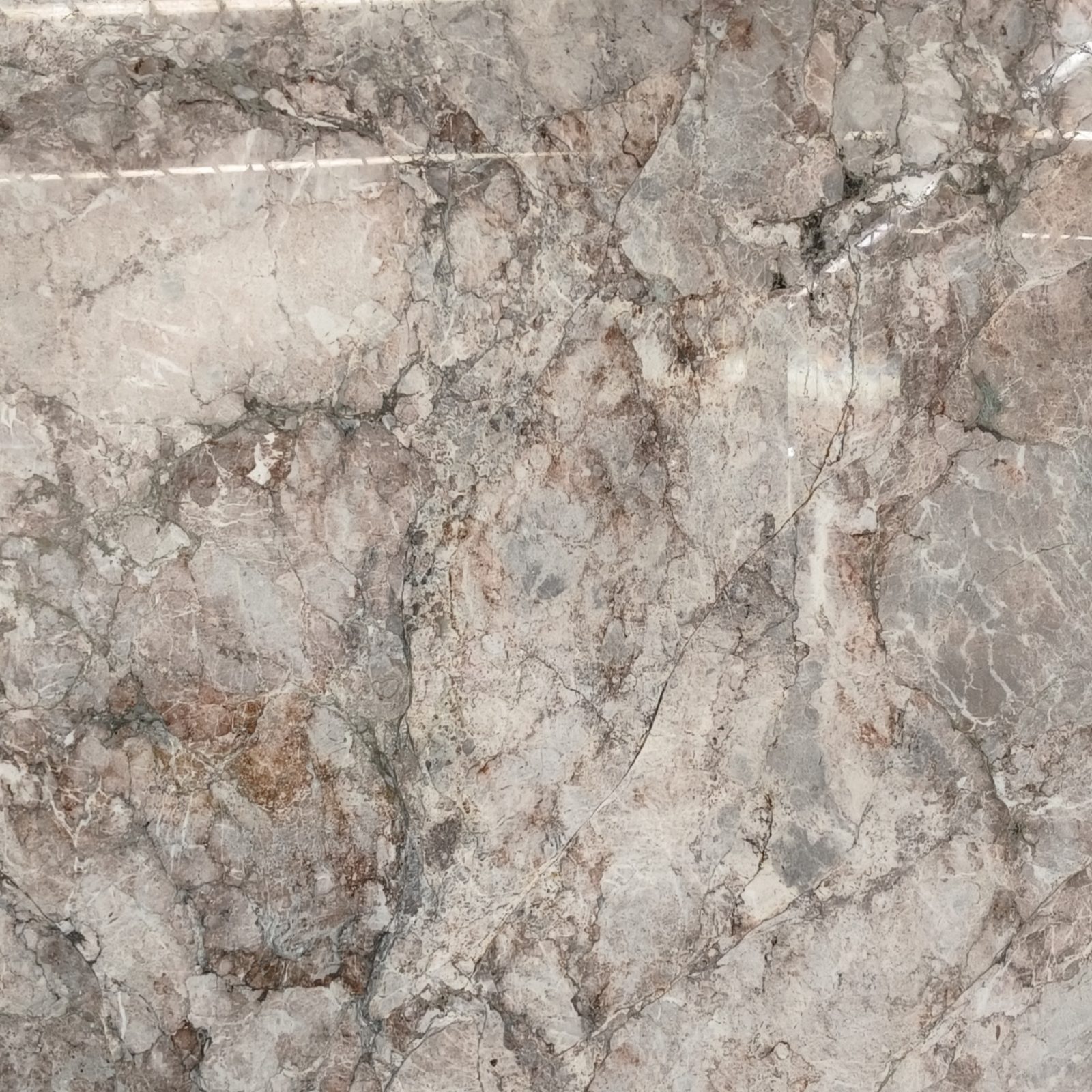
marble flooring applications
What Is Marble Flooring and How Is Natural Marble Formed
Understanding the Geological Formation of Natural Marble
Marble is a natural metamorphic stone generally formed when limestone or dolostone undergoes heat, pressure, and geological transformation over long periods. During this process, the original carbonate minerals recrystallize, producing an interlocking crystalline structure. The resulting stone can contain calcite, dolomite, and other minerals that influence its color, texture, and physical characteristics.
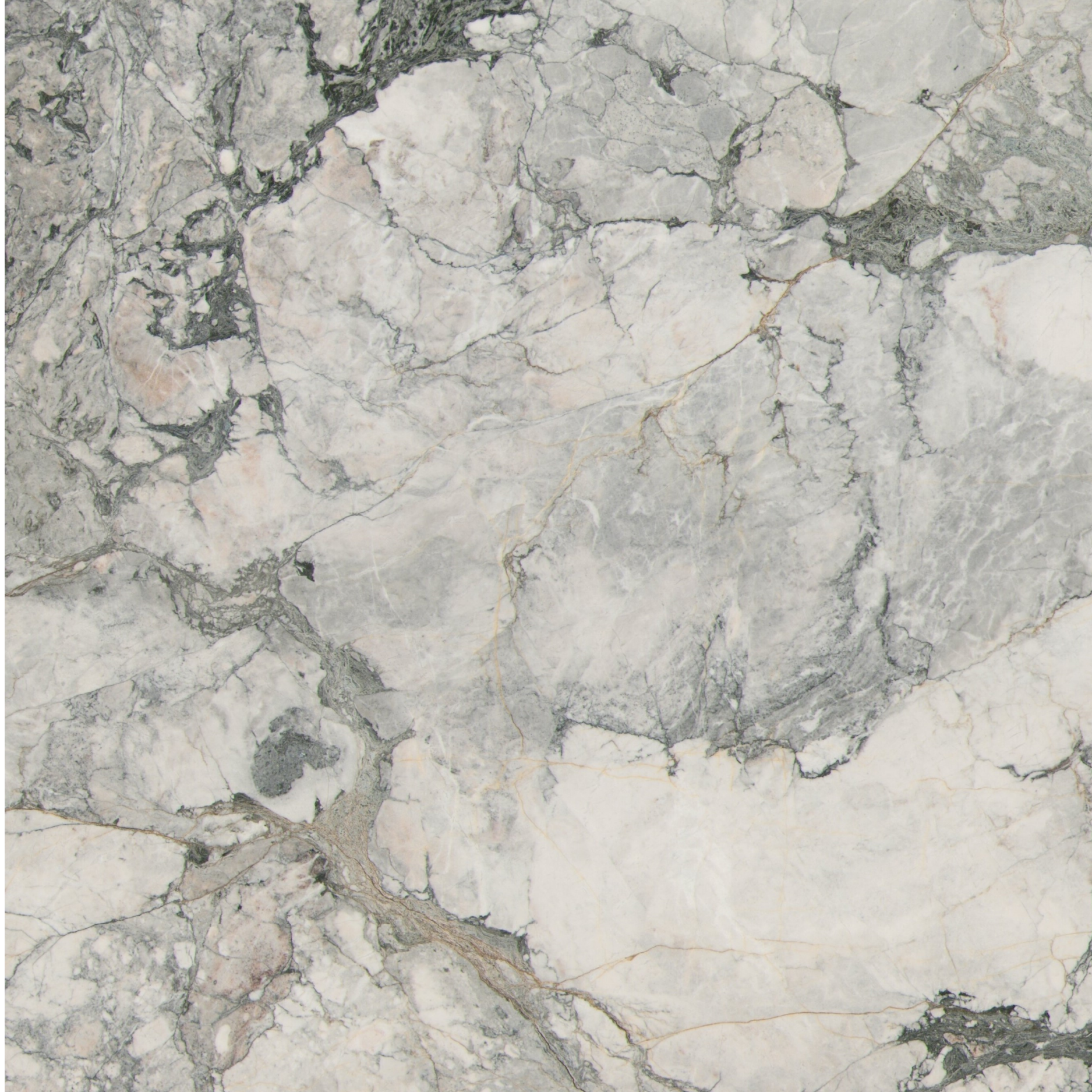
Natural marble is valued for its geological variation. Mineral impurities and differences in formation conditions can create white, grey, beige, green, pink, brown, and black backgrounds, together with veins, bands, clouds, and other distinctive patterns. These characteristics mean that two slabs from the same commercial stone category may not look exactly alike.
Common Physical Properties of Marble Flooring
The performance of marble depends on its mineral composition, geological structure, natural defects, processing quality, and installation system. Calcite-rich marble is generally more sensitive to acidic substances than many silicate-based stones. Its surface can also be scratched or worn under unsuitable conditions, so the selected stone should match the expected traffic and maintenance environment.
| Technical Property | What It Measures | Importance for Flooring |
|---|---|---|
| Water Absorption | Water absorbed by the stone under a defined test method | Helps evaluate moisture sensitivity and sealing requirements |
| Bulk Density | Mass per unit volume | Relevant to handling, transportation, and structural design |
| Compressive Strength | Resistance to compressive loading | Supports assessment of material suitability under specified conditions |
| Flexural Strength | Resistance to bending stress | Important for slab handling, support, and installation design |
| Abrasion Resistance | Resistance to surface wear under a specified test | Useful when evaluating floors exposed to pedestrian traffic |
| Surface Friction | Friction performance under a defined test condition | Relevant to slip-risk assessment, particularly in wet areas |
These are testing categories rather than universal marble performance values. A specific marble variety should be evaluated using its own test reports. ASTM C503/C503M covers marble dimension stone and identifies relevant physical requirements, including absorption, density, compressive strength, modulus of rupture, abrasion resistance, and flexural strength. Buyers should request documentation that corresponds to the actual stone being supplied rather than relying on generic figures.
Popular Types of Marble Flooring for Different Projects
White Marble Flooring for Bright and Elegant Interiors
White marble flooring is frequently selected for luxury residences, hotel lobbies, reception areas, and contemporary commercial interiors. Carrara marble is generally associated with a soft white or light grey background and subtle veining. Calacatta marble can display stronger and more dramatic veins, while Statuario marble is often selected for its distinctive contrast and refined appearance.
White marble can make a room feel visually open, particularly when combined with natural daylight, neutral walls, and simple furniture. However, buyers should consider staining, etching, and maintenance. In busy entrances or food-service areas, cleaning procedures and protective measures should be established before installation.
Beige and Cream Marble Flooring for Warm Interior Spaces
Beige marble flooring and cream-colored varieties create a warmer visual foundation than many white and grey stones. Materials such as Crema Marfil and Botticino are often considered for residential living areas, hotel corridors, hospitality interiors, and traditional architectural projects.
These tones coordinate well with timber furniture, brass details, warm lighting, and neutral fabrics. For large projects, the buyer should review multiple slabs together because background tone and vein distribution can vary between blocks and production batches.
Black and Grey Marble Flooring for Contemporary Architecture
Black marble flooring can create a dramatic visual effect in entrance halls, luxury retail interiors, hotel reception areas, and selected residential spaces. Nero Marquina is recognized for its dark background and contrasting light veins. Grey marble varieties offer a more restrained alternative and can work well with glass, metal, timber, and concrete-look finishes.
Dark surfaces may make dust, water marks, and some scratches more noticeable depending on the finish and lighting. Project teams should therefore assess actual samples under the lighting conditions expected in the completed space.
Green Marble Flooring for Distinctive Interior Design
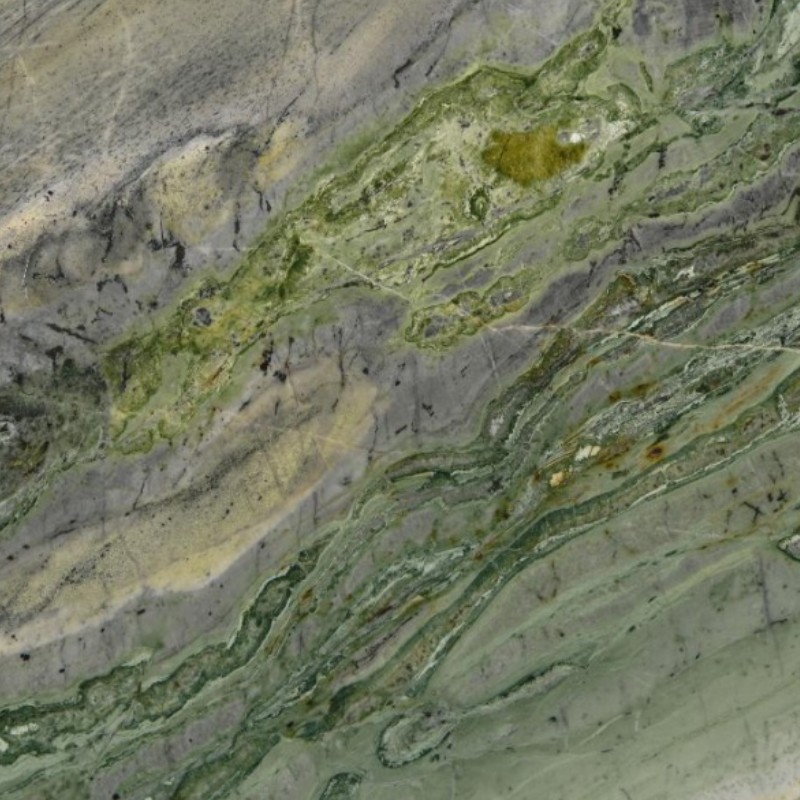
Green marble flooring offers a distinctive alternative to conventional white, beige, and grey materials. Depending on the variety, green marble may feature deep forest tones, lighter mineral bands, white veins, or earthy patterns. It can be used in entrance areas, decorative living rooms, boutique hotels, and selected feature zones where the stone is intended to create a strong visual identity.
Four Season Green, Verde Guatemala, and other green marble varieties illustrate how natural color and veining can support different interior styles. Dark green stone can complement brass, dark timber, and warm lighting, while lighter green varieties may work with neutral furniture and contemporary finishes. For more design inspiration, explore these green marble flooring ideas for modern and traditional interiors.
When selecting green stone for a large floor, buyers should review the actual available slabs and confirm the acceptable range of color variation. A small sample may not represent the full visual character of a complete production batch. Slab photographs, numbered selections, and an approved layout can reduce misunderstandings before cutting and installation.

popular-marble-flooring-types-white-beige-black-green-ice-stone
Marble Flooring Sizes Thickness and Surface Finishes
Common Marble Floor Tile Sizes and Large Format Options
Marble floor tiles are available in different dimensions depending on the stone block, processing equipment, design requirements, and installation method. Common market examples include 300 × 300 mm, 600 × 600 mm, 600 × 1200 mm, and 800 × 800 mm. Larger slabs and custom-cut panels may also be specified for projects that require fewer visible joints or a continuous pattern.
These dimensions are examples of commonly used formats, not mandatory industry standards. The final size should be coordinated with room dimensions, cutting yield, material availability, transport access, and installation capabilities. Large-format pieces can create a more continuous appearance, but they require careful handling and a suitable substrate.
Choosing the Right Marble Flooring Thickness
Common natural stone thickness options may include 10 mm, 12 mm, 15 mm, 18 mm, and 20 mm, depending on the product and intended application. These figures are market examples rather than a universal specification. The correct thickness depends on panel dimensions, support conditions, stone properties, installation method, and project requirements.
For example, a small interior tile and a large-format slab do not necessarily experience the same handling or support conditions. A commercial project should consider the expected loading, substrate deflection, adhesive coverage, and any relevant structural requirements. Thickness alone cannot establish whether a marble product is suitable for a particular floor.
Polished vs Honed vs Brushed Marble Flooring
Surface finish influences the appearance, reflectivity, cleaning behavior, and practical use of marble flooring. A polished finish creates a glossy surface that emphasizes color and veining. A honed finish provides a smoother matte appearance, while brushed and tumbled finishes introduce more visible texture.
| Surface Finish | Appearance | Typical Applications | Key Considerations |
|---|---|---|---|
| Polished | Glossy and reflective | Living rooms, hotel lobbies, feature floors | Can show etching and may be unsuitable for some wet-floor conditions |
| Honed | Smooth and matte | Residential interiors, selected bathrooms | Still requires appropriate slip assessment and maintenance |
| Brushed | Textured and softly aged | Decorative interiors and selected architectural floors | Texture can influence cleaning requirements |
| Tumbled | Rustic with softened edges | Traditional and decorative spaces | Surface irregularities may retain dirt |
A matte finish should not automatically be described as slip-resistant. Slip performance depends on the stone, finish, surface texture, contaminants, footwear, cleaning conditions, and test method. For projects involving wet floors or public circulation, request finish-specific test information and check the applicable local requirements.
Wood Grain and Grey Marble Design Directions
Grey marble with linear or wood-like patterns can introduce movement without relying on strong color contrast. This design direction is suitable for contemporary apartments, hotel suites, private residences, and selected commercial interiors. The direction of the veins can influence how long or wide a room appears, making slab orientation an important part of the design process.
For inspiration on coordinated stone surfaces, review these wooden grey marble flooring and wall cladding ideas. When evaluating a similar material, compare Vein Cut and Cross Cut patterns, actual slab photographs, finish options, and the intended relationship between floors and walls.
Benefits and Drawbacks of Natural Marble Flooring
Key Benefits of Marble Flooring
One of the main benefits of marble flooring is its natural visual variation. Each stone slab has its own mineral pattern, which can create a distinctive appearance that is difficult to reproduce exactly with manufactured materials. Marble also offers a broad range of colors and finishes, allowing it to support classical, transitional, and contemporary interiors.
Marble can be fabricated into tiles, slabs, stair components, borders, and custom architectural pieces. When properly selected, installed, and maintained, it can remain part of a building’s interior for many years. Some worn or dulled marble surfaces can also be professionally refinished, depending on the stone condition and remaining material thickness.
Common Drawbacks and Maintenance Challenges
Marble is not maintenance-free. Calcite-rich varieties can react with acidic substances, including vinegar, lemon juice, and some bathroom or household cleaners. This reaction can create etching, which changes the surface appearance and may appear as dull patches rather than removable dirt.
Marble can also scratch, stain, or wear under unsuitable conditions. Softer varieties may require more careful selection for busy commercial floors. Natural variation can create procurement challenges when a project needs a highly consistent appearance across several rooms or floors. These limitations do not make marble unsuitable, but they should be included in the design and maintenance plan.
Is Marble Suitable for High Traffic Areas?
Marble may be used in selected hotels, commercial entrances, corridors, and public interiors when the stone and finish are appropriate for the expected conditions. However, high-traffic suitability should be based on relevant test data, the expected pedestrian load, cleaning frequency, and the building’s operating environment.
For example, a hotel lobby exposed to luggage wheels, outdoor dirt, and frequent cleaning may need a different specification from a private living room. Procurement teams should review abrasion resistance, absorption, flexural performance, and surface friction where relevant. A stone should not be approved for a demanding application simply because it looks durable in a showroom.
Marble Flooring vs Other Flooring Materials
Marble vs Granite Flooring
Marble and granite are both natural stones, but their mineral composition and practical characteristics differ. Marble is generally a carbonate stone and may be sensitive to acidic substances. Granite is an igneous rock containing silicate minerals and is generally more resistant to many household acids, although individual granite products still require suitable care.
Marble is often selected for its distinctive veining and refined appearance, while granite may be considered where abrasion resistance and particular physical properties are important. The final decision should be based on product-specific test results, intended use, finish, and maintenance expectations.
Marble vs Porcelain Tile Flooring
Porcelain tiles are manufactured products with controlled dimensions and repeatable surface designs. Natural marble is a geological material with individual slab variation. Porcelain may be suitable for projects prioritizing standardized specifications and consistent patterns, while marble may be preferred when natural veining and authentic stone character are central to the design.
Neither material is automatically the better choice for every project. Buyers should compare the complete installed system, including material cost, fabrication, adhesive, labor, maintenance, replacement availability, and expected service conditions.
Marble vs Travertine Flooring
Travertine is another carbonate-based natural stone, often recognized for its pores and layered appearance. These pores may be filled or left visible depending on the product and finish. Marble generally has a more crystalline appearance, while travertine can provide a more textured and rustic character. Both materials require appropriate product selection and maintenance planning, particularly in wet or frequently cleaned areas.
How to Install Marble Flooring Step by Step
Step 1 Prepare and Inspect the Subfloor
The subfloor should be structurally suitable, clean, stable, and adequately prepared before installation. Contractors should inspect for cracks, excessive deflection, moisture conditions, contamination, and unevenness. Any structural or moisture-related issue should be addressed before the stone is installed.
Step 2 Plan the Tile Layout and Vein Direction
Accurate measurement and dry layout planning help control the final appearance. The installation team should consider room dimensions, joint locations, door openings, transitions, and the direction of natural veins. For projects involving multiple slabs, a numbered layout drawing can help maintain visual continuity.
Step 3 Select Compatible Adhesives and Installation Materials
Adhesives and setting materials should be selected according to the stone, substrate, tile size, installation environment, and manufacturer’s technical instructions. Light-colored marble may require a compatible white setting material to reduce the risk of visible discoloration. Large-format tiles require careful attention to adhesive coverage and substrate flatness.
Step 4 Install Marble Tiles and Control Grout Joints
Installers should maintain the specified joint width, alignment, and surface level. Cutting, drilling, edge treatment, and handling should be performed using suitable equipment to minimize chipping and surface damage. The installation team should also follow the approved layout and inspect the stone as work progresses.
Step 5 Complete Final Cleaning and Protection
After installation, remove residues using products compatible with the stone and setting materials. Protective treatments should be applied only when appropriate for the specific marble. Before the floor is handed over, check for lippage, cracks, staining, inconsistent joints, and visible installation defects.
How to Clean and Maintain Marble Flooring
How to Clean Marble Floors Without Damaging the Surface
Routine care is important for preserving the appearance of marble flooring. Remove loose dust and grit with a soft dust mop or suitable vacuum attachment. Clean the surface with a pH-neutral stone cleaner or a mild cleaning solution recommended for natural stone. Use clean water for rinsing and avoid leaving excessive moisture on the floor.
Do not use vinegar, lemon juice, acidic bathroom cleaners, or abrasive scouring powders on calcite-rich marble. These products may cause etching or scratching. The Natural Stone Institute recommends neutral cleaners or mild cleaning solutions and explains that acidic products can dull or etch calcareous stone.
How to Remove Common Marble Floor Stains
Different stains require different treatment methods. Oil-based stains may need a suitable stone-safe degreasing treatment, while organic stains such as coffee or tea may require a product specifically designed for natural stone. Rust stains can be particularly difficult and may need professional assessment because some rust removers contain chemicals that can damage stone.
It is important to distinguish a stain from etching. A stain involves material entering or remaining on the stone, while etching is a chemical change to the surface. Ordinary cleaning may remove a stain but cannot necessarily restore an etched or dulled finish. Test any cleaning product on an inconspicuous area and follow the product manufacturer’s instructions.
How to Seal Marble Floors and When to Reseal
Some marble products benefit from an impregnating treatment that reduces the rate at which liquids enter the stone. However, a sealer does not make marble completely waterproof or stain-proof. Its performance depends on the product, stone porosity, application method, and maintenance conditions.
There is no universal resealing interval for all marble floors. Follow the sealer manufacturer’s instructions and consult the stone supplier about the actual material. A suitable assessment can help determine whether the floor needs additional protection.
How to Restore Scratched or Dull Marble Floors
Minor surface wear may sometimes be improved through professional honing or polishing. Deeper scratches, damaged edges, and extensive etching may require more substantial restoration. The appropriate process depends on the stone thickness, surface condition, finish, and extent of damage. For valuable or large installations, consult a qualified stone restoration professional rather than experimenting with aggressive household products.
Marble Flooring Cost and Factors That Affect Project Pricing
What Determines the Price of Marble Flooring?
Marble flooring cost per square foot varies according to the stone variety, quarry origin, color, pattern, slab selection, thickness, finish, processing requirements, order quantity, packaging, and shipping destination. Rare colors and distinctive patterns may require more selective sourcing. Custom dimensions, bookmatching, and special edge processing can also affect the final quotation.
Material cost should be separated from fabrication, installation, adhesive, underlayment, transportation, and maintenance expenses. A low material price does not necessarily produce the lowest installed project cost if the stone requires additional sorting, complex cutting, or more intensive installation.
How to Control Costs in Large Projects
For hotels, apartment developments, and commercial buildings, cost control begins with accurate drawings and a clear material specification. Confirm the net installation area, cutting layout, required thickness, finish, and acceptable natural variation before ordering. A preliminary waste allowance can be used for budgeting, but the final quantity should be calculated from actual slab dimensions and the approved cutting plan.
Buyers should also confirm whether replacement material can be reserved or sourced later. Natural stone varies between blocks and production batches, so future matching may not be guaranteed. Purchasing and storing a reasonable maintenance reserve may be appropriate for some large projects.
Marble Flooring Quality Standards and Technical Documentation
Important ASTM Tests for Natural Marble
Technical documentation helps buyers compare stone products using measurable properties rather than appearance alone. ASTM C503/C503M is a specification for marble dimension stone. Related test methods may be used to assess absorption, density, compressive strength, modulus of rupture, flexural strength, and abrasion resistance.
| Standard | Test or Specification | Project Relevance |
|---|---|---|
| ASTM C503/C503M | Marble dimension stone specification | Material requirements and selection |
| ASTM C97/C97M | Absorption and bulk specific gravity | Moisture-related material assessment |
| ASTM C170/C170M | Compressive strength | Compressive loading assessment |
| ASTM C99/C99M | Modulus of rupture | Bending-related material assessment |
| ASTM C880/C880M | Flexural strength | Stone performance under bending stress |
| ASTM C1353/C1353M | Abrasion resistance of dimension stone | Assessment for pedestrian traffic exposure |
These standards do not mean that every project needs every test. The architect, engineer, contractor, and stone supplier should identify the tests relevant to the intended application. The applicable edition and project specification should be checked before testing or contract approval.
Slip Resistance and Flooring Safety Requirements
Slip resistance is an important consideration for entrance areas, bathrooms, hotel lobbies, commercial corridors, and other locations where floors may become wet. ANSI A326.3 describes a method for measuring the dynamic coefficient of friction of hard surface flooring materials and provides guidance for product use classifications.
Test results must be interpreted within the scope of the method and the intended application. A laboratory result does not guarantee identical performance under every real-world condition. Water, cleaning chemicals, contaminants, footwear, surface wear, and maintenance can affect slip risk. Local building codes and project-specific safety requirements must also be reviewed.
How to Choose a Reliable Marble Flooring Manufacturer and Supplier
Evaluate Material Sourcing and Product Range
A reliable supplier should be able to explain the material identity, available colors, slab dimensions, thickness options, surface finishes, and expected natural variation. Buyers should ask whether the material is available from current stock or requires additional sourcing and production. For large orders, the supplier should clarify how the selected slabs will be allocated and inspected.
Reviewing a supplier’s marble slabs and natural stone product range can help buyers understand available material directions before finalizing the project specification. The selection process should compare actual products and their documented characteristics rather than relying only on broad category names.
For example, the natural marble slab collection provides a product-category reference for exploring different marble colors and material options. When reviewing any supplier’s catalogue, confirm the current availability, product identity, dimensions, and actual slab appearance before placing a production order.
Check Factory Capabilities and Quality Control Procedures
When evaluating a marble flooring factory or natural stone supplier, buyers should review the production and inspection process. Important considerations include block selection, slab cutting, polishing equipment, dimensional accuracy, edge processing, surface inspection, and packaging. For custom projects, ask whether the supplier can work from shop drawings and provide numbered slab layouts.
Quality control should be based on clear acceptance criteria. These may include thickness tolerance, length and width dimensions, surface finish, visible cracks, repairs, color range, and packaging condition. The buyer and supplier should agree on acceptable natural variation before production begins. A written inspection checklist can reduce disputes during delivery and installation.
Company background is another part of supplier evaluation. Buyers can review the natural stone company profile to understand the supplier’s business background and product positioning. For any supplier, verify the information that matters to the specific project, including production arrangements, export experience, available stock, inspection procedures, and communication responsibilities.
Why Sample Approval and Batch Inspection Matter
A small sample is useful for checking color, finish, and general appearance, but it cannot represent every slab in a natural stone order. For a large project, buyers should request photographs or videos of the actual available material and approve a representative range of slabs. Where the design requires continuity, the supplier should prepare a numbered layout or dry-lay arrangement before fabrication.
Pre-shipment inspection can verify dimensions, finish, visible defects, quantity, labeling, and packaging. The inspection scope should be agreed in advance. Buyers should also confirm the packaging method, crate markings, loading arrangements, shipping documents, and responsibility for handling damage during transportation.
Compare Wholesale Marble Flooring Suppliers Beyond Price
When comparing wholesale marble floor tiles or bulk natural stone quotations, make sure the specifications are equivalent. Two quotations may differ because of thickness, finish, stone selection, dimensional tolerance, packaging, or inspection requirements. Comparing only the price per square meter can lead to an inaccurate purchasing decision.
A complete quotation should identify the material, dimensions, thickness, finish, quantity, packaging, delivery terms, production lead time, and payment conditions. For commercial projects, it is also useful to clarify how shortages, breakage, replacement pieces, and quality claims will be handled.
Discuss Project Requirements Before Requesting a Quotation
Before contacting a supplier, prepare the basic project information: application area, estimated quantity, preferred marble type, dimensions, thickness, finish, destination, and target delivery schedule. Drawings, reference images, and sample requirements can help the supplier evaluate the request more accurately.
For project-specific questions about stone selection, product availability, or supply arrangements, buyers can use the natural stone supplier contact page as an example of a direct enquiry channel. A useful enquiry should include the technical specification and intended application rather than only asking for a general price.
Final Considerations for Choosing the Right Marble Flooring
Marble flooring can provide a distinctive natural surface for homes, hotels, retail interiors, and commercial buildings. Its success depends on selecting a suitable stone variety, confirming the technical properties, choosing the right dimensions and finish, and following a professional installation and maintenance plan.
For residential projects, visual harmony and everyday care may be the main priorities. For hotels and commercial buildings, buyers should give additional attention to abrasion, slip resistance, cleaning frequency, batch consistency, and replacement planning. In every case, the material should be evaluated according to the actual location where it will be installed.
The most reliable procurement approach combines actual slab approval, relevant test documentation, clear acceptance criteria, a coordinated cutting layout, and professional installation. By treating design, technical performance, and purchasing as connected decisions, project teams can reduce avoidable risks and make better use of natural stone.

High-quality marble flooring
Frequently Asked Questions About Marble Flooring
1. What Is the Best Type of Marble for Flooring?
The best marble for flooring depends on the room, expected traffic, design preference, and maintenance plan. Carrara and other white marbles are often selected for bright residential interiors, while beige varieties such as Crema Marfil can create a warmer appearance. Black and grey marble may suit contemporary commercial spaces, and green marble can provide a distinctive decorative effect. Before choosing a variety, compare actual slabs, surface finishes, absorption, abrasion resistance, and other relevant test results. A stone that works well in a private living room may not be the most suitable choice for a wet public entrance or high-traffic corridor.
2. Is Marble Flooring Suitable for High Traffic Areas?
Marble flooring can be suitable for some high-traffic areas when the selected stone, finish, installation system, and maintenance plan meet the project requirements. Hotels, commercial entrances, and public corridors should be evaluated more carefully than low-traffic residential rooms. Buyers should request relevant abrasion and physical property test reports and assess slip resistance where applicable. The maintenance team should also have a suitable cleaning procedure to manage grit, moisture, and surface wear. There is no single marble variety or finish that is automatically suitable for every high-traffic environment.
3. Is Marble Flooring Slippery When Wet?
Marble flooring can present a slip risk when wet, but performance depends on the stone, surface finish, texture, contaminants, footwear, and maintenance conditions. A polished finish is reflective and smooth, but appearance alone cannot determine whether a floor meets a project’s safety requirements. For bathrooms, entrances, hotel lobbies, and other wet locations, request suitable finish-specific slip-resistance test information. ANSI A326.3 is one recognized method for measuring the dynamic coefficient of friction of hard surface flooring materials. Always check the applicable local building requirements and evaluate the complete floor system.
4. How Often Should Marble Floors Be Sealed?
There is no universal sealing schedule for all marble floors. The need for an impregnating treatment depends on the stone’s absorption characteristics, the selected sealer, the application environment, and the manufacturer’s instructions. Some marble products may benefit from additional stain resistance, while others may not require the same treatment. A sealer does not make natural marble completely waterproof or stain-proof. Buyers should consult the stone supplier and sealer manufacturer, follow the recommended application procedure, and assess the actual floor condition before deciding whether another treatment is necessary.
5. How Do You Clean Marble Floors Without Damaging Them?
Use a soft dust mop or suitable vacuum attachment to remove loose dirt, then clean the floor with a pH-neutral stone cleaner or another product specifically recommended for natural marble. Rinse when required by the cleaning instructions and dry the surface to reduce water marks. Avoid vinegar, lemon juice, acidic bathroom cleaners, and abrasive scouring powders because they may etch or scratch calcite-rich marble. Clean spills promptly and use suitable treatments for specific stains. If the surface becomes dull or develops deeper scratches, consult a qualified stone restoration professional instead of using aggressive household chemicals.
References
1. Standard Specification for Marble Dimension Stone
Author: ASTM International
Institution: ASTM International
Source: ASTM C503/C503M-23, ASTM International
2. Standard Test Methods for Absorption and Bulk Specific Gravity of Dimension Stone
Author: ASTM International
Institution: ASTM International
Source: ASTM C97/C97M
3. Standard Test Method for Compressive Strength of Dimension Stone
Author: ASTM International
Institution: ASTM International
Source: ASTM C170/C170M
4. Standard Test Method for Modulus of Rupture of Dimension Stone
Author: ASTM International
Institution: ASTM International
Source: ASTM C99/C99M
5. Standard Test Method for Flexural Strength of Dimension Stone
Author: ASTM International
Institution: ASTM International
Source: ASTM C880/C880M
6. Care and Cleaning of Natural Stone
Author: Natural Stone Institute
Institution: Natural Stone Institute
Source: Natural Stone Institute Consumer Technical Resources
7. Which ASTM Standards Are Relevant to Natural Stone
Author: Natural Stone Institute
Institution: Natural Stone Institute
Source: Natural Stone Institute Design Professional Resources
8. Dynamic Coefficient of Friction of Hard Surface Flooring Materials
Author: Tile Council of North America
Institution: American National Standards Institute
Source: ANSI A326.3
Marble Flooring Material Selection Insights and Project Considerations
Marble Flooring should be evaluated as a complete building material solution rather than selected by color or appearance alone. The right specification connects geological characteristics, physical test results, surface finish, tile dimensions, installation conditions, maintenance expectations, and project requirements. For architects, developers, contractors, and stone buyers, a successful decision balances design value with practical performance and long-term ownership considerations.
How Should Buyers Select Marble Flooring for Different Applications?
Begin with the function of the space. Residential living rooms may prioritize color, natural veining, and coordination with furniture. Hotel lobbies and commercial corridors require closer evaluation of abrasion resistance, surface friction, cleaning frequency, and expected pedestrian traffic. Bathrooms and other wet areas need suitable slip assessment, waterproofing details, and a maintenance plan.
After defining the application, compare the available marble varieties and actual slabs. Confirm the required dimensions, thickness, surface finish, edge details, and installation method. Technical information should relate to the specific stone being supplied rather than a general product category.
Why Does Natural Marble Require Product-Specific Evaluation?
Natural marble develops through geological processes, and its mineral composition, veining, porosity, and physical properties can vary. Two stones that look similar may not perform identically under the same conditions. Even slabs sold under the same commercial name can show differences in color, pattern, and natural characteristics.
This is why a small sample should not be treated as a guarantee of the appearance or performance of an entire order. For larger projects, buyers should review representative slabs, request relevant test reports, confirm acceptable variation, and approve a cutting or installation layout before production.
What Should a Complete Marble Flooring Specification Include?
- Stone identification, commercial name, and available origin information.
- Required tile or slab dimensions and thickness.
- Surface finish and edge-processing requirements.
- Relevant absorption, density, strength, and abrasion test information.
- Slip-resistance requirements for the intended application.
- Acceptable natural color and veining variation.
- Installation materials, substrate requirements, and joint details.
- Packaging, inspection, delivery, and replacement arrangements.
Material Fit by Product Direction
The following table is a qualitative material-fit indication for early project planning. It is not statistical data, a laboratory rating, or a performance certification. Actual suitability depends on the individual product, test results, finish, installation system, and project environment.
Legend:
- ●●● = Primary
- ●●○ = Strong Option
- ●○○ = Depends on Workflow
- — = Usually Not First Choice
| Product Direction | Feature Walls | Flooring | Wet-Area Walls | Main Consideration |
|---|---|---|---|---|
| Natural Marble | ●●● | ●●○ | ●●○ | Mineral composition, finish, maintenance, and test results |
| Green Marble | ●●● | ●●○ | ●●○ | Color variation, finish, and application-specific testing |
| Grey and Wood Grain Marble | ●●● | ●●○ | ●●○ | Vein direction, slab sequence, finish, and fixing |
| Granite | ●●○ | ●●● | ●●○ | Product-specific strength, finish, and slip performance |
| Quartzite | ●●● | ●●○ | ●●○ | Verify mineral composition and test data |
| Travertine | ●●○ | ●●○ | ●○○ | Pore filling, sealing, and moisture exposure |
| Onyx | ●●● | ●○○ | ●○○ | Specialized fabrication, support, and protection |
| Semi-Precious Stone | ●●● | — | — | Decorative panel construction and specialized installation |
These product directions represent different material categories, not interchangeable products. For example, natural marble may be appropriate for a feature floor after its properties and finish have been evaluated, while onyx and semi-precious stone are more commonly considered for specialized decorative applications. Granite or quartzite may be considered for some demanding locations, but their suitability still requires product-specific verification.
Which Common Procurement Mistakes Should Buyers Avoid?
One common mistake is selecting marble based entirely on a small sample or catalogue photograph. Another is assuming that every slab in a batch will have the same color and vein pattern. Buyers may also overlook the relationship between finish and slip performance, or assume that sealing makes a stone completely waterproof and stain-proof.
Other risks include ordering before confirming the cutting layout, failing to check building access for large slabs, comparing quotations with different thicknesses or finishes, and not defining acceptance criteria for natural variation. These issues can create additional costs, installation delays, and disagreements during inspection.
How Should Buyers Make the Final Decision?
A practical decision sequence is to define the application, establish technical requirements, shortlist suitable stone varieties, inspect actual slabs, review relevant test information, approve the finish and layout, and confirm the installation and maintenance plan. The supplier should be able to explain the material and clarify which information is available for the selected product.
For large residential, hospitality, and commercial projects, early communication between the architect, contractor, stone supplier, fabricator, and installation team is especially important. This helps ensure that the selected material can be sourced, processed, transported, and installed according to the design intent.
What Is the Recommended Approach for a Successful Marble Flooring Project?
Choose marble according to the space rather than selecting one variety for every application. Prioritize actual slab approval, documented technical properties, suitable surface finishes, clear installation details, and a realistic maintenance plan. A carefully coordinated specification can preserve the natural beauty of marble while reducing avoidable procurement and installation risks.
If you are planning a natural stone project, prepare your drawings, estimated quantities, preferred colors, dimensions, finishes, and delivery requirements before requesting quotations. Discussing these details with an experienced supplier can help identify suitable material options and clarify the next steps for sampling, inspection, fabrication, and delivery.