When a Designer, a Homeowner, and a Supplier Don’t Agree on the Same Slab
“Can we make it feel luxurious, but not cold?”
“Can it be bold, but still timeless?”
“And please, no stone that looks amazing in the sample room and disappointing in the actual house.”
That conversation is happening more often in 2026 than many people in the stone trade would like to admit. Homeowners no longer want a generic white kitchen with a safe gray countertop and a polite little backsplash. They want material character. They want emotion. They want a space that feels expensive without looking overdesigned. At the same time, they still care about maintenance, consistency, suitability for modern layouts, and whether the slab will actually work with wood, metal, soft lighting, and long-term daily life. Houzz’s 2026 home-design coverage points to a clear shift toward natural stone slabs with subtle drama, while its 2026 kitchen-trends study also shows a move toward warmer wood cabinetry and more natural character in interior finishes. NKBA’s 2026 kitchen trends report adds another important layer: homeowners are prioritizing natural and quality lighting more than ever, which directly affects how marble color, depth, and veining read inside a room.
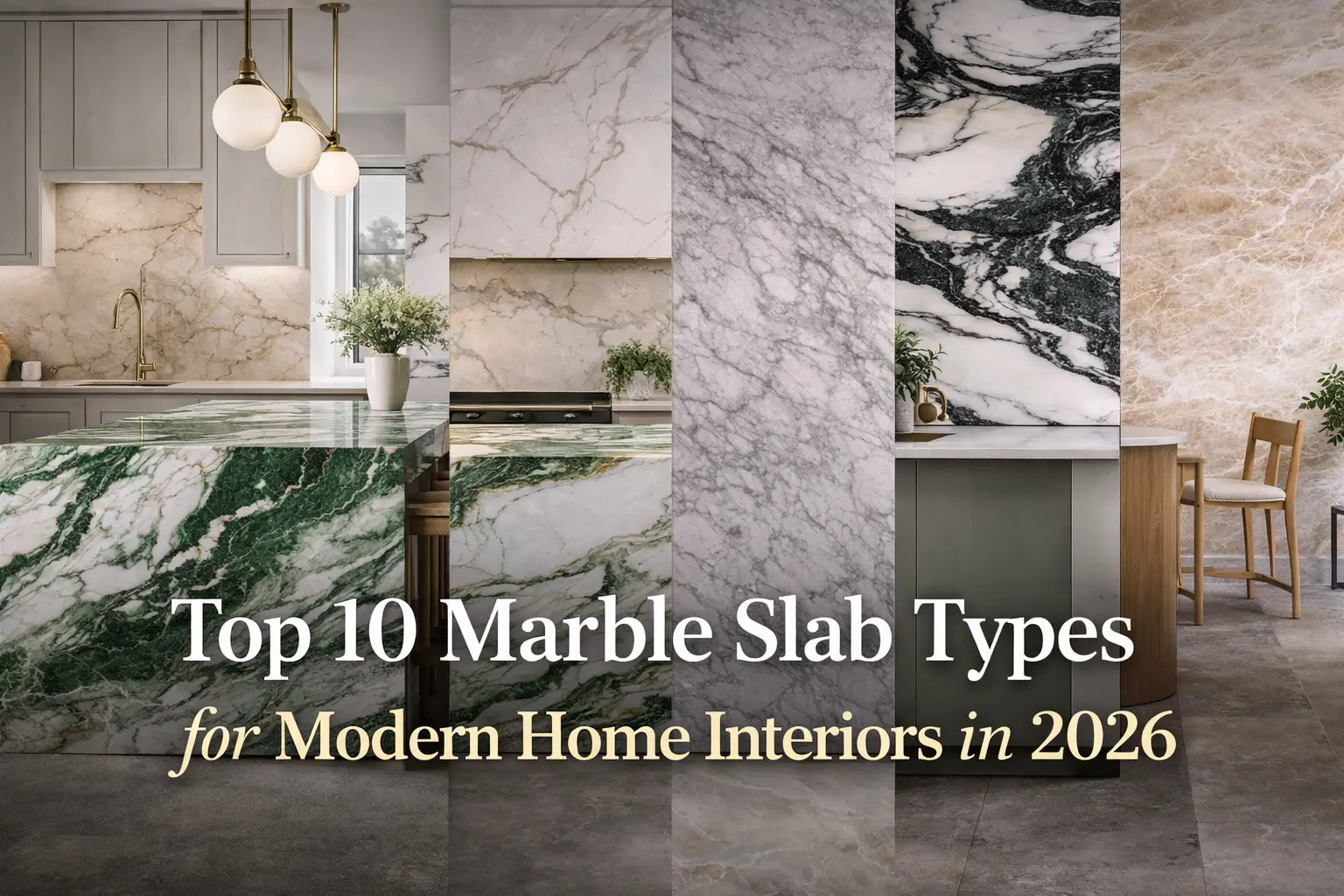
That is exactly why choosing the right Marble Slab is no longer a simple “pick the prettiest one” exercise. In modern home interiors, the best slab is the one that fits the mood of the project, performs well in the intended application, and still looks convincing under real living conditions. And that is where icestone has a real advantage as a content-backed supplier: the company profile shows a team active since 2013, a warehouse of more than 10,000 square meters, two blockyards with more than 2,000 tons of square blocks, customized slab processing capabilities, and clients in more than 50 countries. That kind of depth matters when buyers want more than pretty photos.
Marble Slab
Why Marble Still Wins in Modern Homes
Marble has survived every style cycle for a reason: it does something mass-produced surfaces still struggle to do well. It carries variation, depth, and softness at the same time. ArchDaily’s marble coverage continues to frame marble as both timeless and future-facing, while its discussion of oversized marble surfaces highlights how large-format stone helps designers create cleaner, more sculptural, and more minimal interiors. In other words, marble is not back because people suddenly became nostalgic. It is strong in 2026 because it works perfectly with current tastes: quiet luxury, organic palettes, warm woods, sculptural furniture, and statement surfaces that do not scream for attention.
The smarter buyers are also asking more technical questions than before. They are not just asking whether a slab is beautiful. They are asking whether it will stain, whether it can handle stairs or fireplace surrounds, whether it will feel too cold with oak cabinetry, whether it works better polished or honed, and whether the veining will still feel current in five years. That shift is healthy. The Natural Stone Institute’s testing guidance makes it clear that absorption, density, compressive strength, flexural strength, and application-specific testing should be considered when specifying natural stone, especially when the use goes beyond purely decorative vertical surfaces. Its soundness guidance and testing-services materials also underline a blunt truth: natural stone cannot be specified intelligently without understanding physical variation and verifying performance where needed.
What Makes a Marble Slab Feel “Right” in 2026
Before we get into the list, it helps to define what modern homeowners are actually looking for now.
The 2026 shortlist usually includes four things
- A color story that works with warmer woods, brushed metals, and natural light
- Veining that feels expressive without becoming visually exhausting
- Enough individuality to feel curated, not catalog-like
- A practical fit for real rooms, not just showroom photography
That is why green-toned marble, white-green contrasts, soft pink marbles, and layered neutrals are having such a moment. Houzz’s 2026 trends coverage specifically highlights natural stone slabs with soft veining in green, brown, red, and gold, while surface-trend reporting from KBIS/Houzz points to warm neutrals and creamy backgrounds as key directions for 2026 interiors. The result is a market that is friendlier than ever to expressive marble—provided it is chosen with discipline.
icestone seems to understand this shift unusually well. Its recent March 2026 content output has been leaning into design inspiration, commercial applications, and material-selection storytelling instead of treating every slab like a lifeless stock item. That is a good sign. A supplier that teaches selection logic usually performs better than one that only uploads product thumbnails and hopes Google does the rest.
A Fast Comparison Table Before You Choose
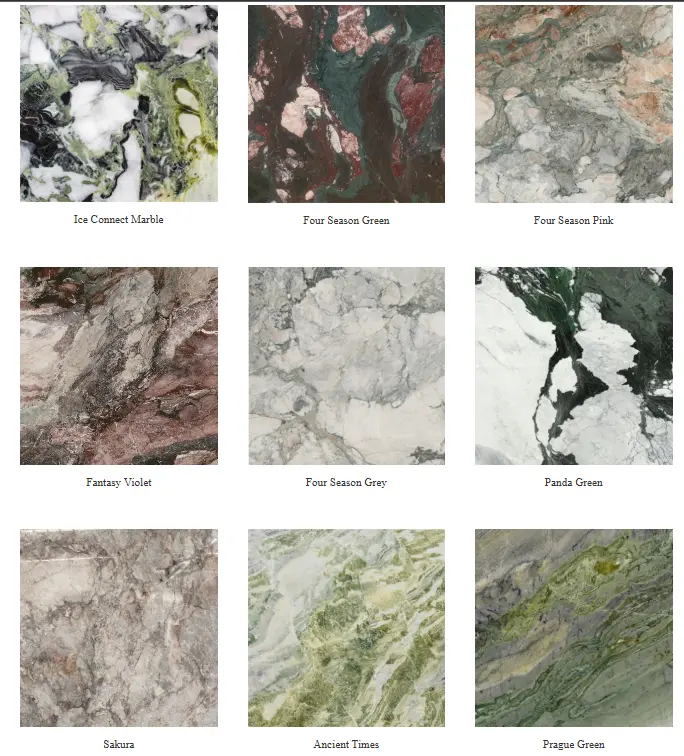
The table below is not a lab report. It is a buyer-friendly way to compare how each slab direction works in modern home interiors.
| Marble Slab Type | Best Interior Mood | Rooms Where It Works Best | Why It Fits 2026 | Main Caution |
|---|---|---|---|---|
| Ice Connect Marble | Quiet luxury | Kitchen islands, feature walls, vanities | White base with fluid green-gray movement feels refined, not loud | Needs good lighting to show depth |
| Four Season Green | Nature-forward statement | Living rooms, feature walls, foyers | Strong green character fits biophilic interiors | Best in balanced, uncluttered rooms |
| Four Season Grey | Soft contemporary | Open-plan living, walls, floors | Neutral but still expressive | Can feel flat if paired with dull lighting |
| Fantasy Violet | Artistic maximal elegance | Dining tables, powder rooms, statement islands | Colorful, layered, collectible look | Needs confident styling |
| Four Seasons Grey coordinated programs | Seamless multi-surface interiors | Slab + tile continuity projects | Great for designers wanting cohesion | Requires careful finish selection |
| Sakura Marble | Romantic soft luxury | Bathrooms, dressing spaces, boutique kitchens | Pink tones feel fresh and personal in 2026 | Can skew too sweet if paired badly |
| Ancient Times / Raggio Verde | Dramatic organic luxury | Floors, entry walls, focal rooms | White-green-black contrast feels rare and rich | Better in medium-to-large spaces |
| Prague Green | High-end green sophistication | Libraries, studies, bars, bath walls | Deep green trend stays strong with wood and brass | Needs strong slab selection consistency |
| Calacatta Verde | Bold classic-modern contrast | Kitchens, fireplace walls, master baths | White-and-green is one of the hottest natural-stone looks | Veining requires strong layout planning |
| Panda Green (quartzite wildcard) | Architectural contrast | Islands, feature walls, statement furniture | Gives marble-led interiors a sharper, cleaner twist | Technically quartzite, not marble |
These placements are editorial recommendations based on the product descriptions on icestone and the broader 2026 interior-material direction reflected in Houzz, NKBA, and architecture coverage.
Wholesale Marble Slab
The Top 10 Marble Slab Types Designers Should Watch
1. Ice Connect Marble
If 2026 had to pick one stone for “quiet drama,” this would be a serious contender. icestone describes Ice Connect Marble, also known as White Beauty, as a Chinese green jade marble with a white background and black, green, gray, and white veining, especially striking in bookmatched slabs. That combination is gold for modern interiors because it gives you movement and contrast without turning the whole room into a visual shouting match. It works particularly well in open kitchens, master-bath walls, floating vanities, and sculptural fireplace surrounds where you want a luxury signal without going full opera-house marble.
2. Four Season Green
This is the kind of slab that makes a room feel designed, not merely furnished. icestone’s broader commercial and design content describes Four Season Green as a stone that brings tranquility, depth, and long-lasting value to spaces, which explains why it transitions so well from high-end commercial settings into homes that want a richer organic mood. In 2026, when biophilic design is still shaping premium interiors, that green intelligence becomes especially useful. Think entry statements, full-height TV walls, dramatic wet-bar backsplashes, or bookmatched living-room panels paired with walnut or smoked oak.
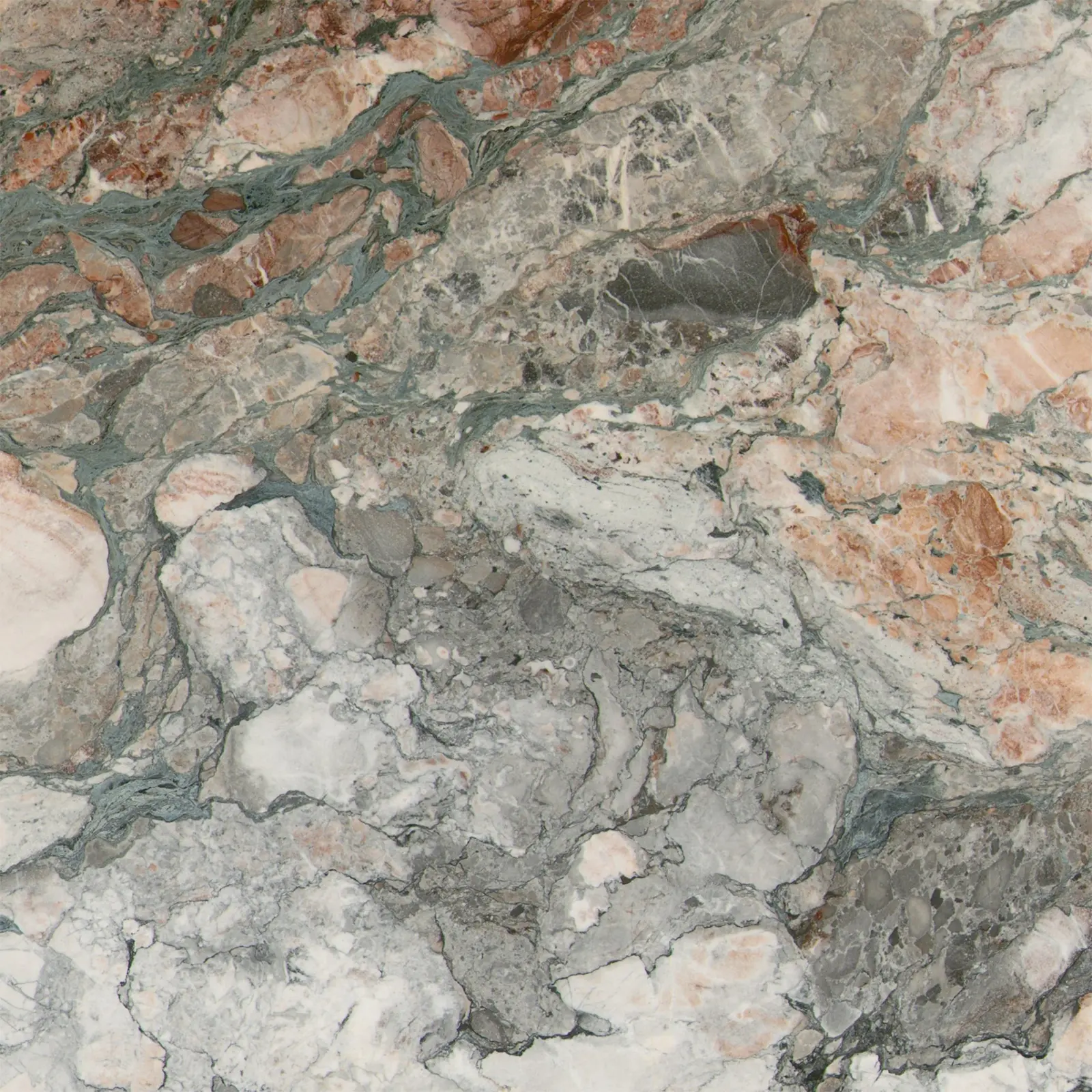
3. Four Season Grey marble slabs and tiles
Despite the page title confusion, the product description points to a marble with strong texture, bookmatched size potential, and a luxury-building profile, with soft pink-green character in the visual language. That is exactly the sort of tonal ambiguity many designers now love: something that reads neutral from a distance, but layered and painterly up close. This makes Four Season Grey ideal for homes that want sophistication without using plain white stone again for the thousandth time. It works especially well in flooring, wall cladding, table programs, and larger living spaces where the veining can breathe.
4. Fantasy Violet marble
Some interiors need calm. Others need character. Fantasy Violet is for the second camp. icestone positions it as a colorful marble with pink, purple, beige, and green veining over a soft gray base, suitable for countertops, vanity tops, table tops, and wall or floor decoration. That palette makes it one of the most fashion-forward options in the list. In 2026, when rooms are getting warmer and more individualized, Fantasy Violet is a strong choice for statement dining tables, powder rooms, creative studios, boutique-style kitchens, and feature furniture that wants to look commissioned rather than mass-market.
5. Four Seasons Grey coordinated slabs and tiles
Here the real value is not only the look but the flexibility. The second Four Seasons Grey page focuses more clearly on dimensional options and coordinated slab-and-tile supply, which matters for modern homes where designers want one material language flowing across floors, bathrooms, wall panels, and custom millwork inserts. That kind of coordination is a quiet superpower in contemporary interiors. Instead of mixing three different stones and praying the house feels cohesive, you let one slab family carry multiple surfaces with controlled variation. It is understated, efficient, and very 2026.
6. Sakura Marble
Sakura Marble is a reminder that modern does not have to mean gray, black, or aggressively minimal. icestone describes it as a luxurious stone with delicate pink hues and refined veining, suited to living rooms, bathrooms, and kitchens. That makes it especially strong for homeowners who want softness, femininity, or a little emotional warmth in spaces that might otherwise feel too hard-edged. Used well, Sakura Marble can feel Parisian, boutique-hotel, or quietly romantic. It is a strong match for curved vanities, blush-accent bathrooms, lighter oak kitchens, or dressing-room surfaces that need personality without gimmicks.
7. Ancient Times marble
Ancient Times, also called Antique Green or Raggio Verde, is where marble starts behaving almost like a collectible artwork. icestone describes it as a Chinese natural marble whose green zones have an onyx-like clarity, spread across a white background with green and black veining. That description alone tells you this is not for timid rooms. It is best used where you want a focal material that can carry scale: feature floors, double-height walls, entry lobbies within homes, or a dramatic powder room where guests immediately understand the design budget was not spent on throw pillows.
8. Prague Green marble
Prague Green is for clients who want green, but want it with more authority and structure. icestone’s description emphasizes strong texture, elegant green color, and suitability for luxury decoration, while the product summary also notes its decorative uses in countertops, flooring, and wall cladding. In modern home interiors, Prague Green works beautifully in studies, moody bathrooms, dramatic bars, fireplace masses, and spaces where darker timber, satin brass, or blackened steel are part of the palette. It is not subtle, but it is very effective when paired with disciplined furniture choices.
9. China Calacatta Verde
If the client says, “I love white marble, but I want something less predictable,” Calacatta Verde is a sharp answer. icestone describes it as a very hard marble with a white background and striking green veins—exactly the kind of look that aligns with 2026’s appetite for white-and-green natural stone. It gives the freshness of a pale slab, but with far more identity than a plain white marble that disappears the moment the lighting gets soft. It is especially effective for waterfall islands, master-bath walls, kitchen backsplashes, and statement stair features where strong veining can become part of the architectural rhythm.
10. Panda Green
Strictly speaking, Panda Green is the wildcard here because icestone presents it as quartzite, not marble. But modern interiors do not care much about our category purism when the visual result is right. The product summary describes an artistic, moonlight-through-clouds effect, and icestone’s company-profile content even notes Panda Green as one of the materials integrated into its new gallery. In a marble-led home, Panda Green works as the sharper, more architectural cousin—the accent material you use when you want more contrast, clearer structure, or a different performance conversation around a key feature. Used sparingly alongside softer marble slabs, it can make the whole house feel more curated.

Green Marble Panda Green slab
How to Choose the Right One for the Right Room
A lot of people mess this up by choosing the slab first and forcing the room to obey. Better idea: start with the room’s job.
Choose by emotional role
- If the slab must brighten and calm a room, start with Ice Connect Marble or Calacatta Verde.
- If it must create mood and depth, lean toward Four Season Green, Prague Green, or Ancient Times.
- If it must soften the interior, Sakura Marble is the smarter move.
- If it must act like art, Fantasy Violet is your troublemaker—in a good way.
Choose by application logic
This is where too many Pinterest boards go to die. Public-facing surfaces, staircases, wet zones, and heavily used kitchens need more than pretty veining. icestone’s own technical-style content on durable staircases with marble slabs makes a very practical point: failures are often caused less by “weak stone” than by poor material selection, wrong finishes, weak support, and inconsistent supplier quality. The same logic applies in homes, just with lower abuse levels and more aesthetic pressure.
Choose by specification discipline
One of the strongest signals on icestone’s site is that its newer content increasingly treats slab selection as a technical decision, not just a decorative one. The article on how to specify a marble slab that won’t crack, stain, or go out of tone explicitly frames marble choice around density, absorption, structural stability, quarry consistency, and long-term behavior. That is exactly the mindset serious buyers need. Beautiful marble can still be the wrong marble if the application logic is lazy.
Choose by sourcing realism
And yes, sourcing matters. If the project is outside China, logistics, batch consistency, finish control, and export grading should not be treated as afterthoughts. icestone’s guide on how to import marble slabs from China step by step correctly points out that importing is really a technical selection decision long before it becomes a shipping task. That is one of those sentences buyers should tape to a monitor. It would prevent a shocking amount of nonsense.
Five Questions People Also Ask About Marble Slabs in Modern Homes
What is the best Marble Slab color for a modern home in 2026?
The best color depends on the room mood and lighting, but the strongest 2026 directions are white-and-green slabs, soft warm neutrals, layered gray-green marbles, and expressive but controlled statement stones. Green-veined slabs are especially strong because they work with wood cabinetry, biophilic styling, and warm metal finishes without feeling too trendy.
Are green marble slabs too bold for residential interiors?
Not if the room is designed with restraint. Green marble works best when balanced with warm woods, soft plaster tones, brushed brass, black accents, or quiet upholstery. The goal is not to compete with the slab. It is to give the slab room to do its job. Four Season Green, Prague Green, Ancient Times, and Calacatta Verde all work in homes when the rest of the palette stays disciplined.
Is a Marble Slab suitable for kitchens and bathrooms?
Yes, but suitability depends on the specific stone, finish, detailing, and maintenance plan. Natural Stone Institute guidance makes it clear that testing and application-specific evaluation matter, especially for absorption, flexural behavior, and other physical properties. In residential use, the smartest approach is to match the stone to the risk level of the application rather than assuming every marble behaves the same.
How do I keep a marble interior from looking dated?
Do not overspecify marble in every visible corner of the house, and do not pair expressive slabs with too many other dramatic finishes. Marble stays current when it is allowed to be the hero. Pair it with cleaner cabinetry, fewer competing patterns, better lighting, and honest materials. That is why 2026 interiors favor quiet drama instead of high-contrast noise.
Should I buy from a supplier with only product pages, or one with technical content too?
Take the second one every time. A supplier that publishes selection guides, specification advice, and application-focused case content is much more likely to understand your project risks. A nice product gallery is useful. A supplier that can help you avoid the wrong slab is more useful.
Marble Slabs Manufacturers
The Closing Thought Every Buyer Should Keep
At the start of this article, the designer, homeowner, and supplier were all trying to answer the same awkward question in different ways: how do you choose a slab that feels modern, luxurious, and still sensible?
The answer is not “pick the whitest marble” or “choose whatever is trending on Instagram this month.” The answer is to choose a Marble Slab that matches the emotional goal of the room, the physical demands of the application, and the wider material language of the house. In 2026, that usually means moving beyond safe, lifeless surfaces and selecting stone with tone, movement, and authenticity—but doing it with more technical intelligence than the market used to apply.
That is why icestone’s strongest value is not just its range of materials, but the way it increasingly pairs those materials with practical selection content, updated commercial inspiration, and deeper quarry-to-project credibility. If you are planning a real project rather than just collecting screenshots, the next smart move is simple: shortlist the slabs, match them to the room logic, and then contact icestone before a bad sample decision becomes an expensive site decision.
References
- ICE STONE official materials, including Company Profile, Marble category, product pages, and technical news articles.
- Houzz, 25 Home Design Trends Defining How We’ll Live in 2026.
- Houzz, 10 Kitchen Remodeling Trends to Know for 2026.
- Houzz, 5 Trends in Countertops and Other Surfaces Shaping 2026.
- NKBA/KBIS, 2026 Kitchen Trends Report.
- Natural Stone Institute / BNP Media, The Importance of Testing When Specifying Natural Stone.
- Natural Stone Institute, Marble Soundness Classification.
- Natural Stone Institute, Natural Stone Testing Services.
- ArchDaily, From Monumental Ruins to Lavish Interiors: 18 Projects that Prove Marble Is a Timeless Material.
- ArchDaily, Enriching Minimalism Through Pixel-Type Ceramics and Oversized Marbles.
 By
Xiamen Ice Stone Imp.& Exp. Co., Ltd.
By
Xiamen Ice Stone Imp.& Exp. Co., Ltd. Feature Product
-
 Four Season Grey Natural Marble Slabs and Tiles
The Charm of Four Season Pink Good size for ...
-
 Panda Green White Luxurious Quartzite Stone
Artistic Conception Like moonlight piercing ...
-
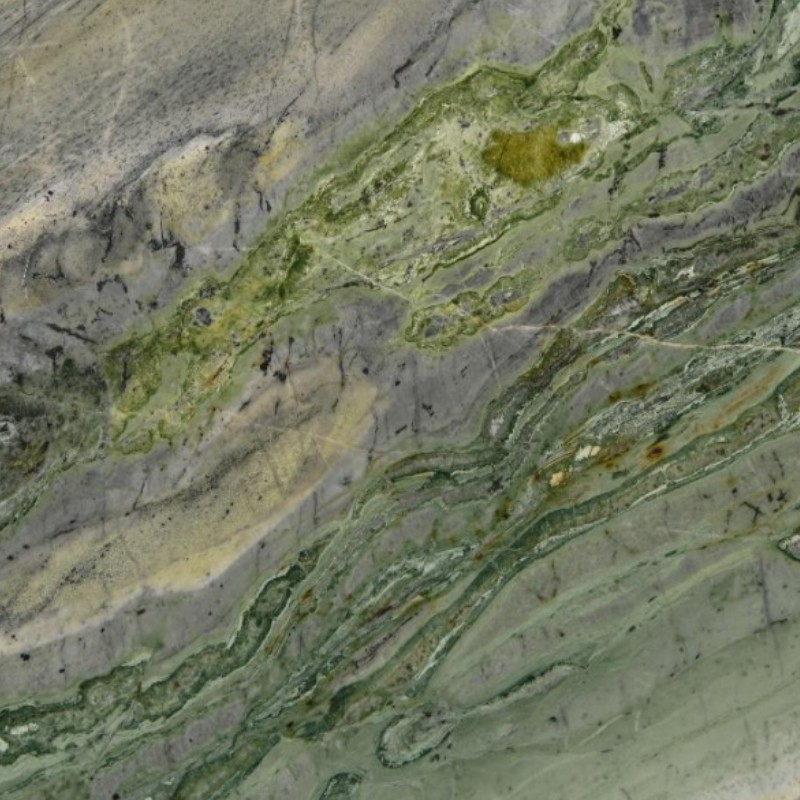 Vivid Brilliant Natural Marble of Prague Green
How to pack and load ? 1. Fumigated wooden b...