The ultimate dilemma in luxury architecture often boils down to selecting the perfect natural stone. For decades, interior designers, architects, and estate developers have debated the merits of two titans of the stone world: marble and quartzite. This decision goes far beyond mere color preferences; it is a complex intersection of geology, material science, and long-term lifestyle expectations. Whether outfitting a five-star hotel lobby, a bespoke residential kitchen, or an executive boardroom, understanding the structural and chemical nuances of these materials is absolutely critical for long-term project success.
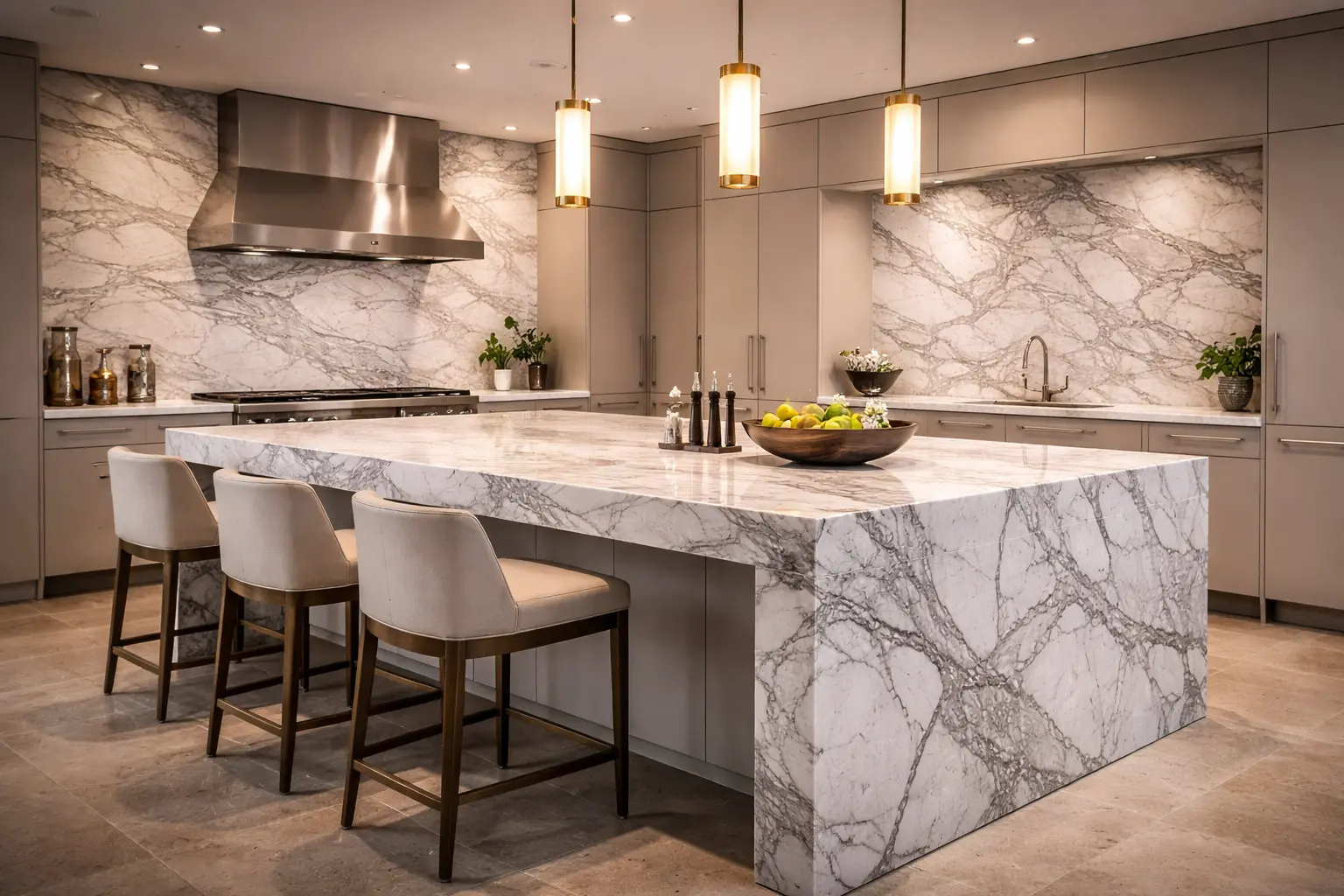
Marble for Luxury Modern Kitchens
Geological Origins: The Science Behind the Stone
To make an informed material decision, one must first look at how the Earth forged these spectacular surfaces over millions of years. Marble is a metamorphic rock born originally from limestone that has been subjected to intense tectonic pressure and geothermal heat. Its primary mineral component is calcite, which inherently gives it a relatively soft, reactive structure. Because of this specific mineral matrix, architects often consult a comprehensive guide to sourcing premium green marble floors to fully grasp how calcite reacts to environmental factors, foot traffic, and acidic substances over time.
Quartzite, on the other hand, originates as pure quartz sandstone. Through a much more aggressive and prolonged metamorphic process, the individual sand grains completely recrystallize and fuse into a dense, interlocking network of pure quartz. This fundamental geological difference—calcite versus quartz—dictates every physical property of the stone, from its structural rigidity to its chemical resistance, making the correct choice a critical component of successful commercial stone project procurement.
Heat Resistance and Hardness Comparison
When evaluating materials for demanding environments like culinary kitchens or high-volume hospitality bars, physical durability is paramount. In any standard Mohs hardness scale stone comparison, the differences between these two materials are stark and scientifically measurable. Marble typically registers between 3.0 and 4.0 on the Mohs scale. This means it can be scratched by heavy metal utensils, sliding ceramic pots, or sharp chef’s knives. Buyers analyzing intricate materials like China Antique Green marble must recognize that while its historic, highly detailed aesthetic is unmatched for vertical wall cladding, its softer surface requires mindful, dedicated maintenance.
Conversely, quartzite registers a formidable 7.0 to 7.5, making it harder than standard glass and highly resistant to mechanical abrasion. Furthermore, quartzite heat resistance is legendary within the architectural community. It can withstand severe thermal shock effortlessly, meaning a scorching cast-iron skillet placed directly from the stove onto a quartzite surface will not scorch, discolor, or thermally fracture the stone.
Quantitative Material Data
To elevate the precision of your sourcing strategy and engineering specifications, review the following scientific parameters comparing the two materials alongside industry-standard commercial granite:
| Material | Primary Mineral | Mohs Hardness | Water Absorption (%) | Compressive Strength (MPa) | Acid Resistance |
| Natural Marble | Calcite | 3.0 – 4.0 | 0.10 – 0.20% | 110 – 130 | Low (Prone to etching) |
| Natural Quartzite | Quartz | 7.0 – 7.5 | 0.05 – 0.15% | 180 – 210 | High (No chemical etching) |
| Granite | Feldspar/Quartz | 6.0 – 6.5 | 0.15 – 0.30% | 150 – 180 | High |
The Unique 3D Crystalline Depth
Despite the clear structural advantages of harder quartz-based stones, natural marble possesses an aesthetic magic that modern science and engineered surfaces still struggle to authentically replicate. The secret to this beauty lies in light refraction. The microscopic calcite crystals allow ambient light to penetrate several millimeters into the surface before scattering and reflecting back out. This creates a translucent, glowing effect that gives the stone unparalleled visual depth.
This sophisticated “inner glow” is exactly why exploring various green marble flooring ideas remains a top priority for designers aiming to inject organic warmth and classical European prestige into modern, minimalist homes. It is important to note that natural marble porosity requires professional application of penetrating sealers to prevent dark liquid stains. However, the slight aging, scratching, and wear—known collectively as a patina—is often celebrated in high-end luxury design as a testament to the material’s authentic, organic, and living nature.
Veining Depth and Aesthetic Differences
The visual textures and patterns of these stones tell the dramatic story of their violent geological births deep within the Earth’s crust. Marble is universally famous for its flowing, continuous, and highly elegant veining that sweeps across the slab like a painter’s fluid brushstroke. Quartzite, having endured extreme tectonic crushing and reheating, often exhibits a sugary, crystalline background interspersed with shattered, highly dramatic, and chaotic veining.
For architectural projects requiring intense visual energy and undeniable impact, sourcing an exotic Brazilian enthusiastic red luxurious quartzite provides a breathtaking focal point. These deep, vibrant red hues are a direct result of iron oxide inclusions subjected to immense terrestrial pressure, making it an extremely rare find in global quarries that acts as a piece of natural modern art.
Color Spectrums and Exotic Rarity
While bold, vibrant colors are exceptional statement pieces, the luxury real estate market often leans heavily toward soft, neutral palettes. For example, the highly coveted Super White Brazilian quartzite blurs the line between the two geological categories. It offers the soft, flowing, cloud-like grey aesthetic of a classic Italian Carrara marble, but delivers the virtually indestructible physical nature of pure quartz.
This unique combination of delicate aesthetics and brutalist strength makes it one of the most expensive and sought-after high-end countertop materials globally. The rarity of these flawless, highly compressed quartz blocks means that working directly with a specialized luxury project stone factory is absolutely essential to secure consecutive, color-matched slabs for flawless architectural book-matching.
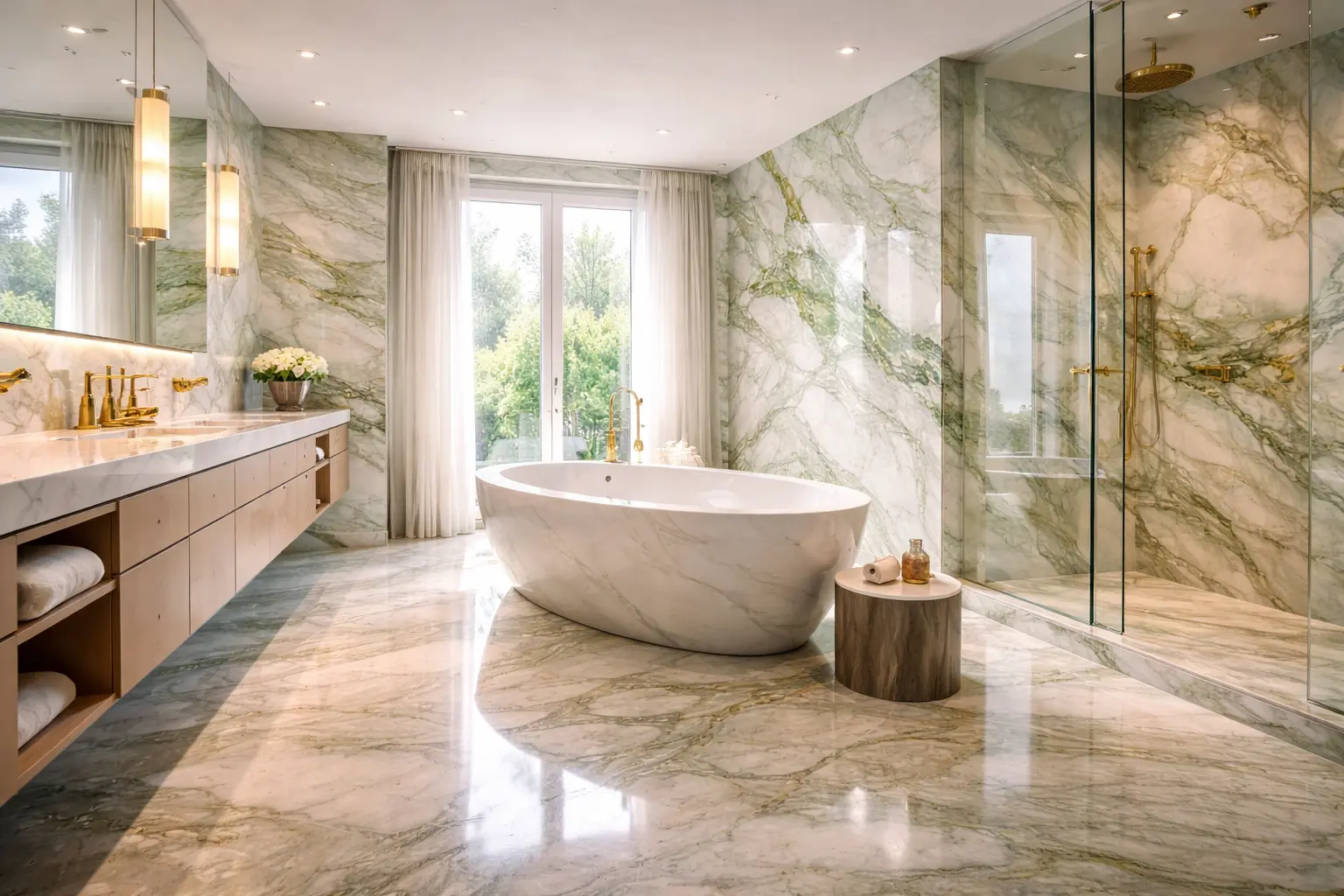
Quartzite for Bathrooms
Application Scenarios: Where to Use Which
Understanding exactly where to deploy these materials is the hallmark of professional architecture and procurement. Natural marble shines brilliantly in low-impact, high-visibility zones. It is the undisputed king of luxury master bathroom vanities, expansive hotel lobby flooring, sweeping grand staircases, and dramatic floor-to-ceiling fireplace surrounds where acid exposure is minimal.
Conversely, quartzite is the ultimate luxury workhorse for high-traffic, high-abuse environments. Specifying an elegant, slightly translucent Picasso white quartzite for a commercial cocktail bar top, a busy family kitchen island, or an outdoor BBQ entertaining area ensures peace of mind. Acidic culinary spills—like fresh lemon juice, red wine, or tomato sauce—will not chemically burn, etch, or dull the highly polished surface, preserving the investment for decades.
Maintenance, Industry Trends, and Procurement
The global natural stone industry is highly regulated, and the international supply chain demands rigorous quality control and safety measures. Modern fabrication facilities must adhere to strict silica dust management protocols and water-filtration systems when cutting high-quartz materials to ensure worker safety and environmental compliance. For B2B buyers, architects, and luxury developers looking to navigate this complex international market seamlessly, partnering with a highly reliable, technologically advanced supplier is crucial. To discuss customized architectural blueprints, request physical samples, and finalize material specifications, contact us directly to leverage our extensive global quarrying and sourcing network.
Navigating the Supply Chain: Factory-Direct Sourcing
Bypassing secondary middlemen and going factory-direct ensures that B2B buyers have priority access to first-choice blocks with perfect, sub-millimeter thickness tolerances. Whether you are a dedicated wholesale natural marble supplier outfitting a new residential high-rise or an independent boutique fabricator, securing a consistent, reliable pipeline of premium marble slabs guarantees that the delicate veining and background saturation remain completely consistent across thousands of square feet of installation space.
Similarly, for ambitious commercial projects that demand absolute structural resilience without compromising on the breathtaking beauty of natural stone, procuring high-grade quartzite slabs from a technologically advanced premium quartzite slabs manufacturer drastically mitigates the risks of micro-fissures and improper epoxy resin treatments often found in inferior secondary markets. Furthermore, strategically sourcing natural quartzite blocks wholesale allows large-scale property developers to custom-cut specific, oversized architectural profiles—such as massive 5cm thick kitchen islands or monolithic sinks—creating the monumental architectural features that ultimately define ultra-luxury real estate.
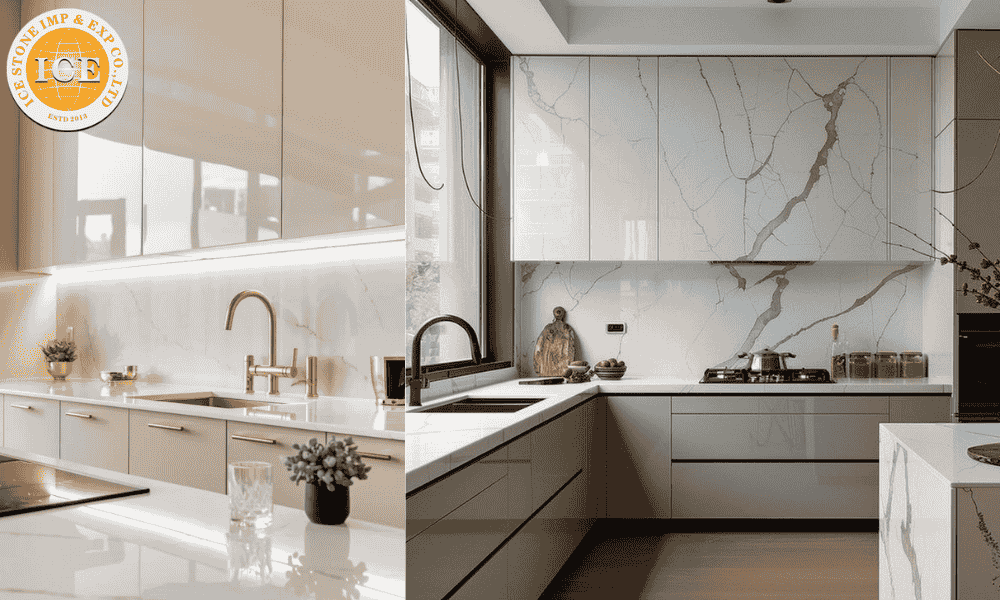 Marble Slabs |
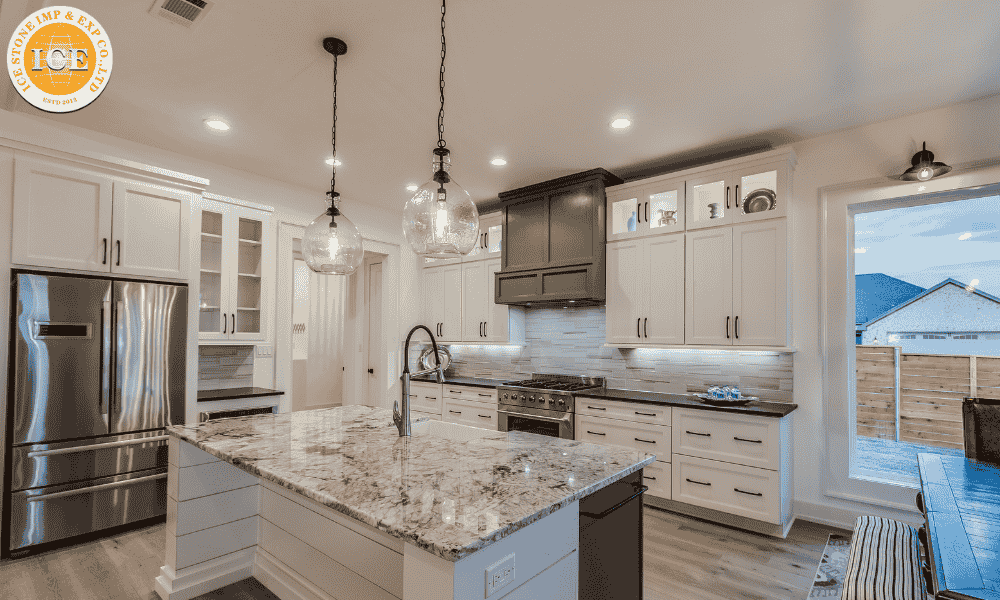 Quartzite Countertops |
FAQ
1. Does quartzite need to be sealed like natural marble?
Yes, while quartzite is significantly harder and more chemically resistant than marble, it is still a naturally porous stone. Liquids like oil or dark juices can seep into microscopic pores and cause stains. Applying a high-quality, penetrating stone sealer annually ensures that the surface remains completely impervious to liquid absorption, protecting your investment for decades.
2. Why does marble etch when exposed to lemon juice or wine?
Marble is primarily composed of calcite (calcium carbonate), which is a highly alkaline mineral. When exposed to acidic substances like lemon juice, vinegar, or wine, a rapid chemical reaction occurs. The acid literally dissolves a microscopic layer of the calcite, leaving behind a dull, whitish mark known as an “etch.” No liquid sealer can prevent this chemical burn.
3. Can I use a hot pan directly on a quartzite countertop?
Yes, quartzite has exceptional heat resistance due to its geological formation under extreme geothermal temperatures. Placing a hot cast-iron pan or boiling pot directly onto a quartzite surface will not scorch, melt, or cause thermal fracturing. However, it is always recommended to use a trivet to protect the underlying sealant layer from degrading over time.
4. How does the Mohs hardness of quartzite compare to granite and marble?
On the Mohs scale of mineral hardness, marble ranks between 3.0 and 4.0, making it relatively soft and susceptible to scratching from knives or heavy pots. Granite ranks higher, between 6.0 and 6.5. Quartzite is the hardest of the three, ranking between 7.0 and 7.5. It is harder than standard glass and requires specialized diamond-tipped tooling to cut and fabricate.
5. Is “Super White” a quartzite or a marble?
“Super White” is geologically a dolomitic marble or a very hard calcite-quartz blend, though it is frequently mislabeled and sold as a quartzite in the retail market due to its durability. While it is significantly harder than standard Carrara or Calacatta marble, it still contains trace amounts of calcium, meaning it can still be susceptible to mild acid etching if left uncleaned for extended periods.
References:
-
“Dimension Stone Design Manual, Version 8.0.” Natural Stone Institute (NSI).
-
“The Geology of Metamorphic Rocks in Architecture.” Journal of Earth Sciences.
-
“Acid Etching and Calcite Reactions in Natural Stone Surfaces.” Material Science Review.
-
“Mohs Hardness and Abrasion Resistance in Countertop Materials.” ASTM International, ASTM C241.
-
“Global Procurement Strategies for Commercial Architectural Stone.” Architectural Sourcing Quarterly.
-
“Thermal Shock Resistance of Quartz-Based Natural Surfaces.” European Stone Federation (EUROROC).
-
“The Aesthetic of Patina: Graceful Aging in Luxury Interiors.” Architectural Digest Technical Insights.
-
“Silica Dust Safety and Fabrication Protocols in Quartzite Processing.” Occupational Safety and Health Administration (OSHA).
Strategic Material Selection (Why & What): The fundamental decision between natural marble and quartzite hinges on the chemical reality of Calcite vs. Quartz. Architectural specifications utilize marble when the design narrative prioritizes historic, translucent aesthetics in low-impact zones (such as master bathrooms or vertical cladding). Conversely, quartzite is specified when the environment demands rigorous structural integrity—offering the organic visual of natural stone combined with immunity to acid etching and superior Mohs hardness, making it a critical material for high-use commercial applications.
Key Sourcing Options & Technical Considerations
- Etching vs. Staining (Consideration)
Risk Mitigation: Technical evaluations often confuse staining with etching. Staining involves liquid penetrating the stone’s pores (preventable via penetrating sealers). Etching is a chemical burn caused by acids dissolving the calcite in marble—a process that sealers cannot prevent. If environmental acid exposure is inevitable, Quartzite provides the necessary chemical resistance. - Fabrication Tooling & Costs (Option)
Operational Impact: Because quartzite ranks 7.0+ on the Mohs scale, it consumes diamond-cutting tooling at a significantly faster rate than marble (which ranks 3.0-4.0). Procurement budgets must account for increased fabrication, milling, and installation costs when specifying quartzite for complex architectural routing. - Block Matching Consistency (Procurement)
Navigating the Supply Chain: Premium quartzites are geologically rare. To achieve precise “book-matching” for expansive commercial installations, sourcing directly from the factory level is required to ensure consecutive slabs are harvested from the exact same block prior to retail fragmentation.
 By
Xiamen Ice Stone Imp.& Exp. Co., Ltd.
By
Xiamen Ice Stone Imp.& Exp. Co., Ltd. Feature Product
-
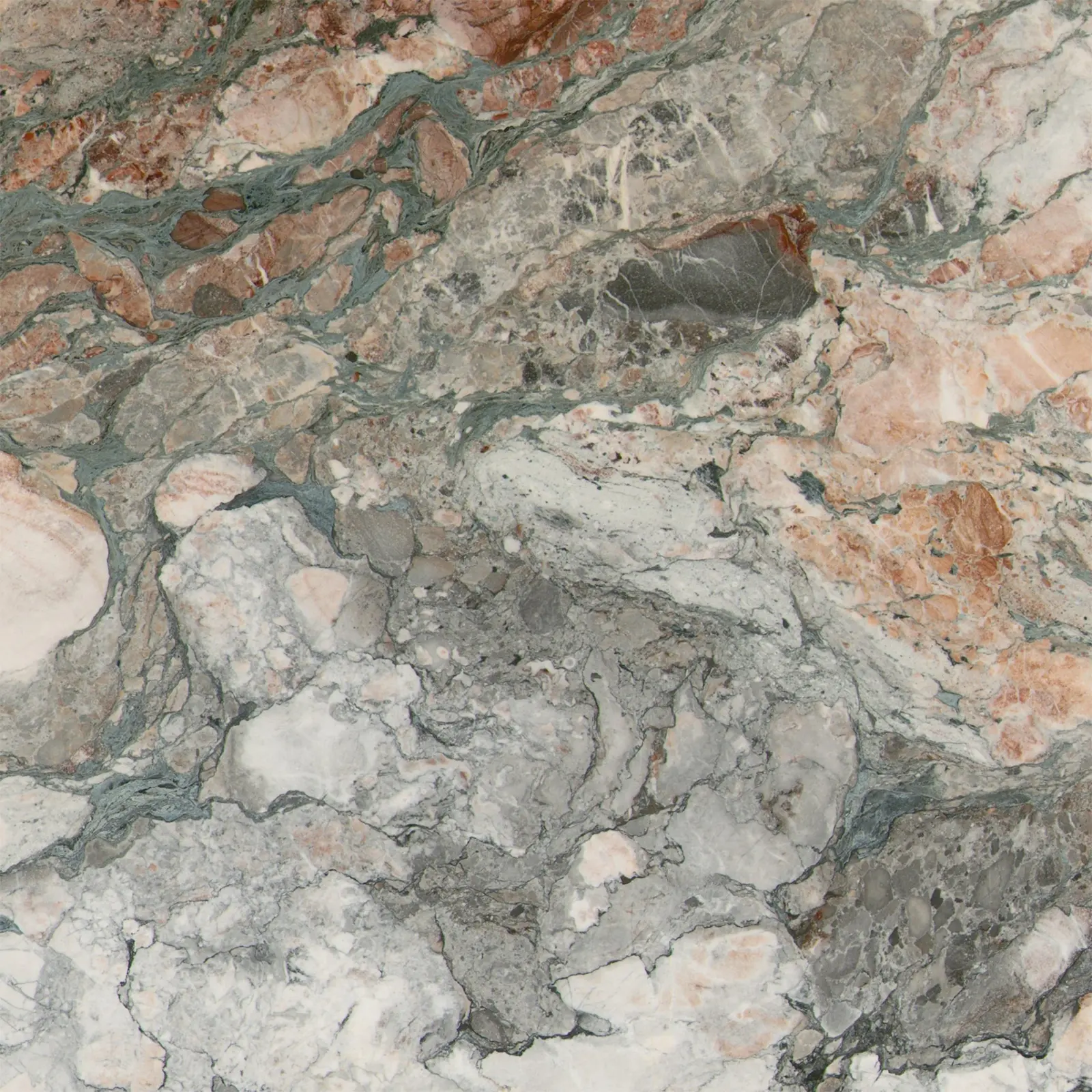 Four Season Grey Natural Marble Slabs and Tiles
The Charm of Four Season Pink Good size for ...
-
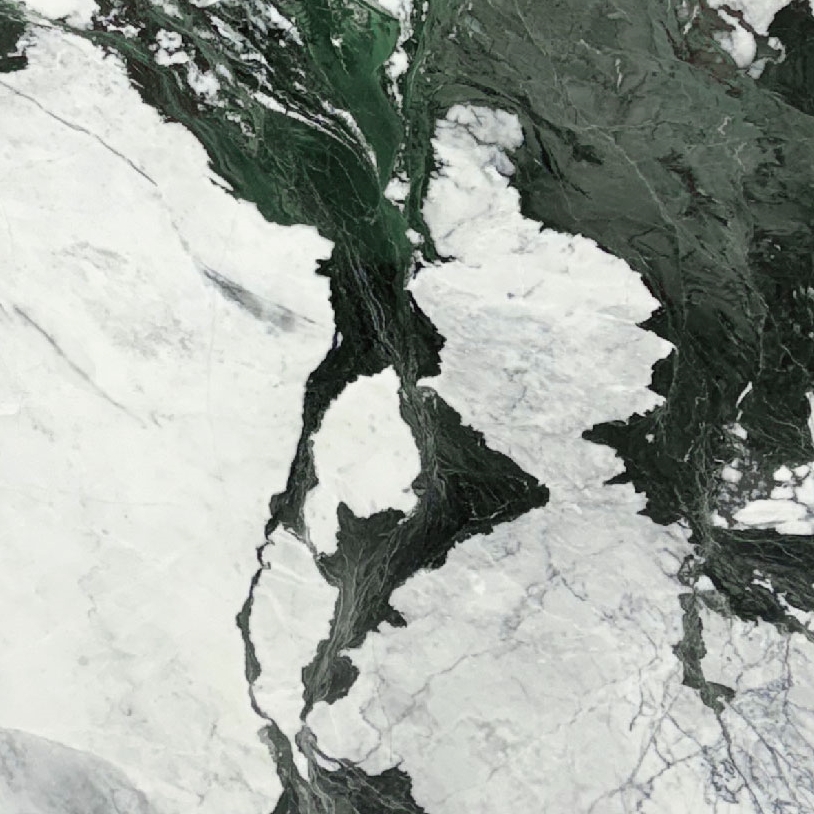 Panda Green White Luxurious Quartzite Stone
Artistic Conception Like moonlight piercing ...
-
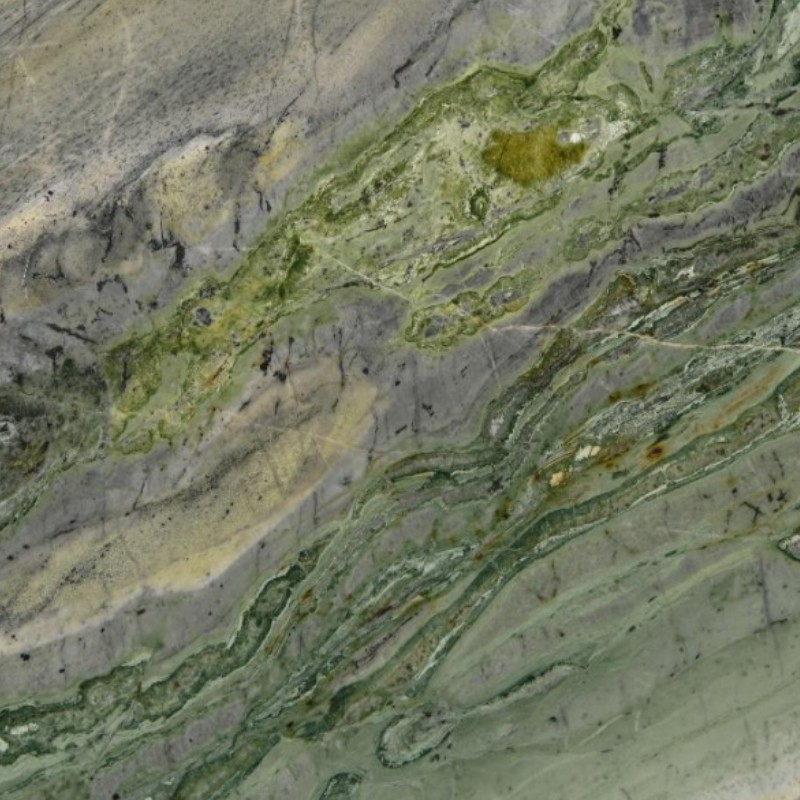 Vivid Brilliant Natural Marble of Prague Green
How to pack and load ? 1. Fumigated wooden b...